Arctic — Svalbard & Northwest Passage
Polar bears on pack ice, northern lights, and the edge of the known world.
At a Glance
Why UHNW Travelers Choose Arctic — Svalbard & Northwest Passage
The Arctic is one of very few destinations on Earth where money purchases not mere comfort but physical possibility. Only two vessels in civilian operation can break through Arctic pack ice in all conditions: the world's sole luxury nuclear-electric icebreaker (Polar Class 2, capable of the North Pole itself) and, to a lesser degree, certain purpose-built expedition ships with submarine and helicopter capability. Without these vessels, the deeper Arctic — the ice cap, the Northwest Passage under full ice conditions, the Canadian High Arctic archipelago — is simply inaccessible. The access is the product, not the amenity.
The Arctic is one of very few destinations on Earth where money purchases not mere comfort but physical possibility.
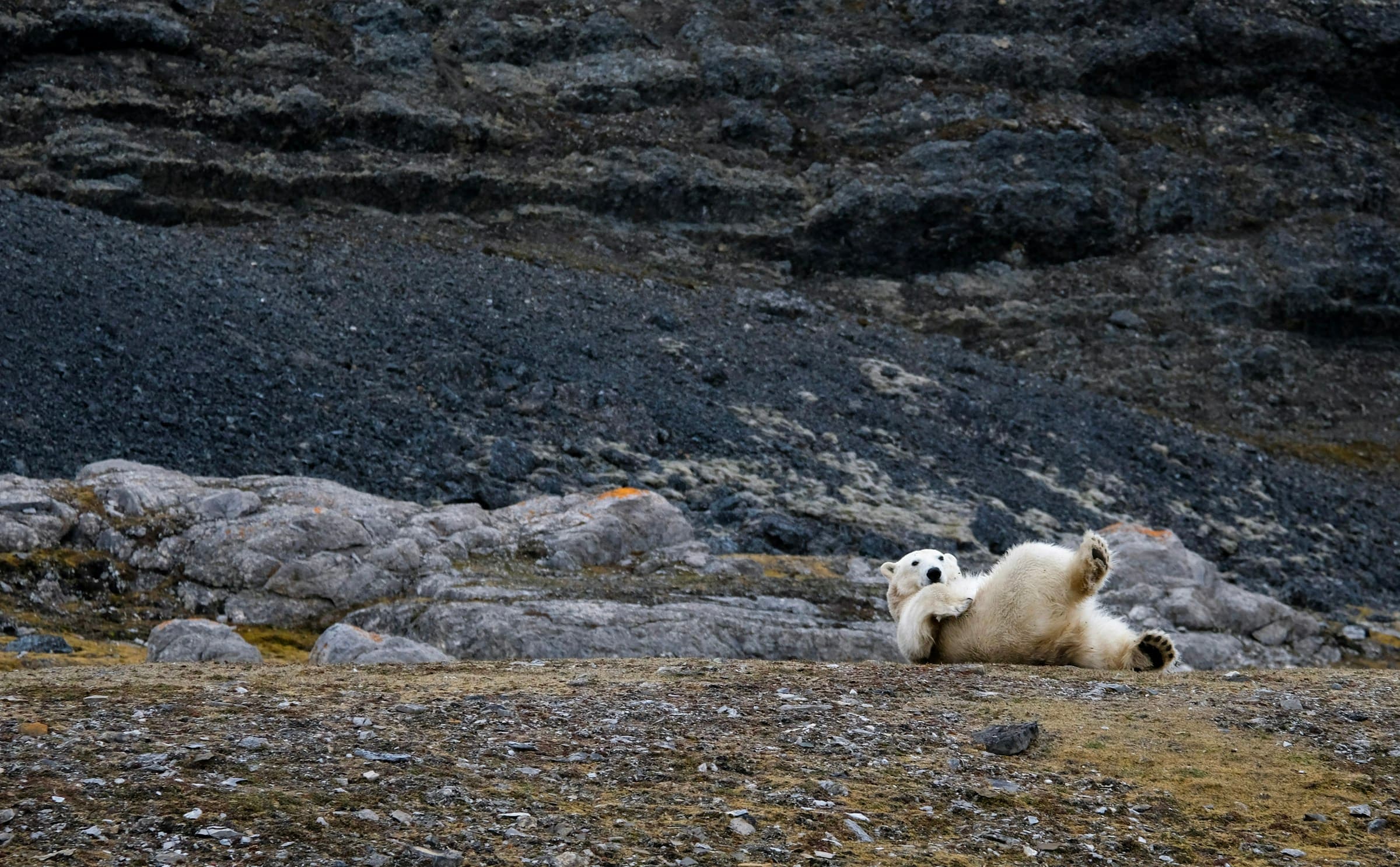
Svalbard, the most accessible polar destination, delivers the signature Arctic experience within a relatively managed envelope: polar bear sightings (Svalbard has more polar bears than people), midnight sun in June and July when the sun does not set, Northern Lights from late August through March, and the haunting ghost town of Pyramiden — a Soviet coal-mining settlement abandoned in 1998, with a bust of Lenin still watching over the main square. The Svalbard Global Seed Vault, hewn into the permafrost, provides one of the modern world's most arresting architectural-philosophical experiences: humanity's insurance policy for plant diversity, buried in a mountain at 78° North.
The Northwest Passage — the sea route through the Canadian Arctic archipelago that Franklin died attempting to chart — is navigable, in high summer, by expedition vessels following the same latitudes that defeated wooden ships for three centuries. A full transit from Greenland to Alaska takes 21 days and passes through landscapes of glacier, narwhal, and Inuit settlement that have changed less in the past century than almost anywhere else on Earth. It is the closest available equivalent to the great 19th-century voyages of discovery, made accessible by the specific engineering of vessels that did not exist until this decade.

The Arctic is not a wasteland. It is a vault — holding more beauty, silence, and consequence than any place I have ever been.


UHNW Suitability Profile
How Arctic — Svalbard & Northwest Passage rates across the five dimensions that matter most to ultra-high-net-worth travelers.
Signature Experiences

Getting There
Svalbard: fly Oslo Gardermoen (OSL) to Longyearbyen (LYR), 3 hours, Norwegian Air or SAS direct. Longyearbyen is the embarkation point for most Svalbard and Spitsbergen expeditions. The luxury icebreaker departs from various ports including Longyearbyen, Murmansk, and Kangerlussuaq depending on expedition itinerary. Northwest Passage voyages: fly to Kangerlussuaq, Greenland (via Copenhagen) or Cambridge Bay, Nunavut (via Yellowknife). All expedition operators coordinate transfer logistics as part of the booking.
Best Time to Visit
June through August: midnight sun, ice at its most navigable, polar bears visible on land and ice, calving glaciers, seabird colonies. This is the primary expedition window. Late August sees the first Northern Lights return as nights begin. September offers transitional beauty — first autumn colours, ice reforming, early aurora. November through March: Northern Lights at maximum intensity (clear dark skies essential — Svalbard, northern Norway, or Iceland are the access points). Ice expeditions to the North Pole itself (via luxury icebreaker) are possible in April–June when the cap remains intact but spring light is returning.
Stability & Governance
Svalbard is governed under the 1920 Spitsbergen Treaty, with Norwegian sovereignty but treaty-nation access rights. The Governor of Svalbard enforces strict environmental protection across approximately 65% of the archipelago designated as national parks and nature reserves.

Premium placements for luxury properties in Arctic — Svalbard & Northwest Passage. Reach UHNW travelers and advisors actively planning trips to this destination.
Frequently Asked Questions
What distinguishes the luxury icebreaker from other expedition vessels?
The world's only luxury polar icebreaker is nuclear-electric powered and classified as Polar Class 2 — the highest civilian polar rating. It can physically break through multi-year pack ice that no other civilian expedition vessel can penetrate, enabling itineraries including the geographic North Pole itself. Its onboard product (two Michelin-associated restaurants, a geothermal spa concept, pool and wellness facilities) simultaneously delivers five-star amenities within an environment otherwise reserved for research icebreakers.
When is the optimal time to see Northern Lights in Svalbard?
Late August through April, with peak darkness in November through February. Svalbard at 78°N has some of Europe's darkest and clearest conditions for Northern Lights viewing, as light pollution is essentially absent. The key variable is geomagnetic activity (Kp index) rather than location — even in good conditions, forecasting is 24-48 hours at best. Three to five nights in the Arctic significantly increases probability. Dog sledding or snowmobile excursions into the darkness away from Longyearbyen's minimal light pollution improve the visual quality.
How physically demanding is an Arctic expedition?
Zodiac landings require stepping in and out of rigid inflatable boats in cold conditions; glacier and tundra walks are at low altitude but often uneven terrain. The vessel itself is a stable, comfortable base. Fitness requirements are genuinely modest — elderly guests and those with limited mobility regularly participate. The more physically demanding optional activities (ice diving, kayaking in ice water, extended glacier hikes) are opt-in. Cold-weather clothing is provided or available from the vessel outfitters.
What is the probability of a polar bear sighting in Svalbard?
Svalbard has approximately 3,500 polar bears versus 2,400 human residents — the statistics alone suggest high encounter probability. In practice, dedicated ice-edge Zodiac excursions with experienced polar guides achieve sightings on the majority of voyages. Summer bears are often visible on land or ice floes near walrus haul-outs. The vessel's expedition team use ice and weather data to position the ship in high-probability areas; polar bears are the primary wildlife focus of virtually every Svalbard itinerary.
Is the Northwest Passage navigable now as a tourist route?
Yes, in July and August, for properly equipped expedition vessels with icebreaker ratings. The passage has been transited by civilian vessels since the 1980s, though summer ice conditions vary significantly year to year with climate change affecting both risk and accessibility in complex ways. A full west-to-east or east-to-west transit takes approximately 21 days. Partial transits focusing on the most historically significant sections — Franklin's doomed route, the Terror and Erebus wreck sites discovered in 2014 and 2016 — are available in 10–14 day formats.
Ready to Explore Arctic — Svalbard & Northwest Passage?
Whether you're planning a trip, advising a client, or promoting your property — Ultra Network connects the ecosystem.
Planning a journey and want it handled at the highest level?
We connect you with a specialist advisor who knows this destination intimately — someone who builds bespoke itineraries for ultra-high-net-worth travelers, handles every detail, and has direct relationships with the best properties and experiences on the ground.