Botswana — Okavango Delta
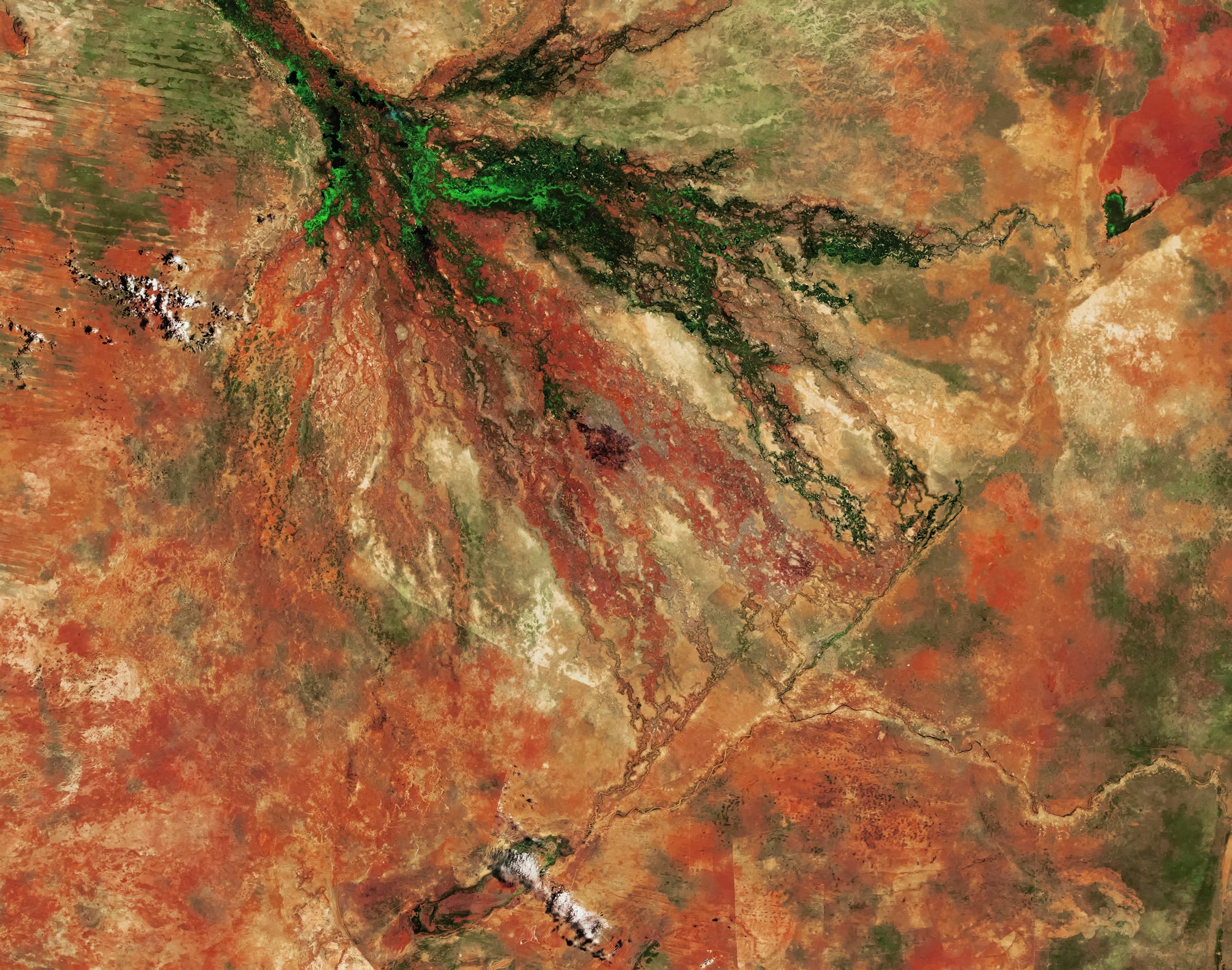
A 22,000 km² inland delta that floods each year — turning the Kalahari into Africa's greatest wildlife stage
At a Glance
Why UHNW Travelers Choose Botswana — Okavango Delta
Botswana operates the most exclusive safari model in Africa: high-cost, low-volume tourism that deliberately limits visitor numbers to protect the ecosystem. The Okavango Delta — a 22,000 sq km inland delta that floods annually from the Angolan highlands — hosts the highest concentration of ultra-luxury camps on the continent.
Botswana operates the most exclusive safari model in Africa: high-cost, low-volume tourism that deliberately limits visitor numbers to protect the ecosystem.
The economics are intentional. Botswana charges among the highest park fees in Africa ($200+ per person per night) and strictly limits concession sizes. A top camp may hold just 9 rooms in a 100,000-acre private concession — meaning you may go an entire day without seeing another vehicle. Compare this to Kenya's Mara or Tanzania's Serengeti, where popular sightings can attract 10-30 vehicles.
What makes the Okavango unique is the water element. The annual flood (peaking July-September) transforms dry savanna into a vast wetland network. Game drives give way to mokoro (dugout canoe) safaris, helicopter flights over the delta's fractal waterways, and walking safaris on islands. This variety of safari modes — vehicle, water, air, foot — is unmatched anywhere else on the continent.

The Okavango is the last Eden. There is no other place on Earth where water creates such abundant life in the middle of a desert.


UHNW Suitability Profile
How Botswana — Okavango Delta rates across the five dimensions that matter most to ultra-high-net-worth travelers.
Signature Experiences

Getting There
International flights connect through Johannesburg (JNB) to Maun Airport (MUB). From Maun, light aircraft transfers reach delta camps in 20-45 minutes. Private jets can land at Maun or Kasane (for Chobe/Linyanti). There are no roads into the delta — all access is by air, which enforces the exclusivity.
Best Time to Visit
The dry season (May-October) is peak safari season. The annual flood reaches the central delta in June-August, creating the unique water-and-land safari combination. July-September is the sweet spot: flood waters are high, wildlife concentrates around permanent water, and skies are clear. November-March (green season) offers dramatic skies and newborn animals at 30-40% lower rates.
Stability & Governance
Botswana is Africa's longest continuous democracy and one of the continent's most politically stable nations. The government's high-value, low-volume tourism policy deliberately limits visitor numbers to protect ecosystems — concession fees are high, and camp capacities are capped. This policy directly benefits UHNW travelers by ensuring uncrowded, exclusive safari experiences. Botswana Tourism Organisation oversees standards.
Premium placements for luxury properties in Botswana — Okavango Delta. Reach UHNW travelers and advisors actively planning trips to this destination.
Frequently Asked Questions
What makes the Okavango Delta unique for safari?
The Okavango is the world's largest inland delta, flooding annually from Angolan highlands. It's the only major safari destination offering four safari modes in one trip: vehicle game drives, mokoro (dugout canoe) safaris, walking safaris on delta islands, and scenic helicopter flights over the fractal waterways.
How exclusive is a Botswana safari compared to Kenya or Tanzania?
Significantly more exclusive. Botswana deliberately prices higher ($2,500-$5,500 pp/night) and limits camp sizes (9-20 guests in 100,000-acre concessions) to restrict visitor numbers. It is entirely possible to go an entire safari day without seeing another vehicle — a rarity in East Africa during peak season.
Is Botswana safe for UHNW travelers?
Botswana is one of Africa's most politically stable and well-governed nations. Camps have world-class guides, radio communication, and emergency protocols. Air ambulance service operates from all camps to Maun (20-45 minutes) and onward to Johannesburg.
When does the Okavango Delta flood?
The annual flood arrives from the Angolan highlands between June and August, peaking in July-September. During peak flood, the delta expands from approximately 3,500 sq km to 22,000 sq km. This is the optimal period for the water-and-land safari experience.
How do you get to the Okavango Delta?
All access is by air — there are no roads into the delta. International flights connect through Johannesburg to Maun Airport, then light aircraft transfers reach camps in 20-45 minutes. This remoteness is a feature: it enforces the exclusivity that defines the Botswana safari experience.
Ready to Explore Botswana — Okavango Delta?
Whether you're planning a trip, advising a client, or promoting your property — Ultra Network connects the ecosystem.
Planning a journey and want it handled at the highest level?
We connect you with a specialist advisor who knows this destination intimately — someone who builds bespoke itineraries for ultra-high-net-worth travelers, handles every detail, and has direct relationships with the best properties and experiences on the ground.