Costa Rica — Osa Peninsula
Two percent of Earth's life, one peninsula, infinite wonder.
At a Glance
Why UHNW Travelers Choose Costa Rica — Osa Peninsula
Costa Rica is the world's original eco-luxury destination — and after three decades of refinement, the model has reached genuine maturity. The country invented the concept of using conservation as a hospitality premium: guests pay to stay in private reserves that protect wildlife corridors, and the economics of high-end tourism fund forest preservation more effectively than any alternative. The result is a destination where environmental integrity is commercially incentivised, and where the wildlife encounters are genuinely extraordinary.
Costa Rica is the world's original eco-luxury destination — and after three decades of refinement, the model has reached genuine maturity.
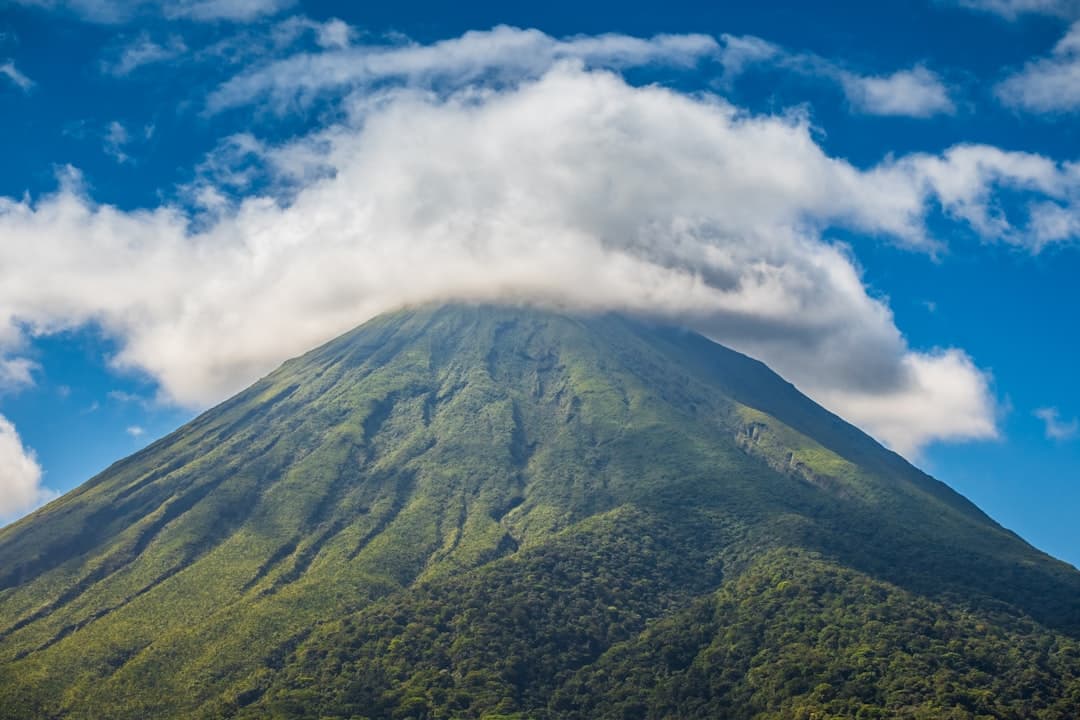
The Osa Peninsula is the crown jewel. Described by National Geographic as "the most biologically intense place on Earth," it holds 2.5% of the world's biodiversity in a peninsula smaller than Rhode Island. Scarlet macaws fly in formation over the canopy at dawn. Tapirs move through the understorey at dusk. Humpback whales — the largest congregation in the Pacific — birth their calves in Golfo Dulce between June and October. The private reserve system means that guests at the peninsula's leading eco-lodges move through primary forest without encountering other tourists for days at a time. This is not curated wildlife viewing — it is immersion in a functioning ecosystem.
A flagship internationally branded resort on Peninsula Papagayo anchors the more accessible premium end: a world-class property on a protected gulf with golf, multiple pools, and five-star service, surrounded by dry tropical forest teeming with white-faced capuchin monkeys, iguanas, and raptors. Combining three nights at Papagayo with five nights on the Osa Peninsula — accessed by a 45-minute charter flight — produces one of the Western Hemisphere's most complete nature and luxury experiences. The dry season (December–April) delivers reliable sun, clear Pacific seas, and peak wildlife visibility.

Costa Rica decided decades ago that its forests were worth more standing than cut. The world is only now catching up.


UHNW Suitability Profile
How Costa Rica — Osa Peninsula rates across the five dimensions that matter most to ultra-high-net-worth travelers.
Signature Experiences

Getting There
Juan Santamaría (SJO) in San José is the main entry point, with direct connections from Miami, Houston, Atlanta, New York, and multiple European hubs via Miami transfer. For the Guanacaste/Papagayo region, Liberia Airport (LIR) offers a 30-minute transfer to the flagship resort. The Osa Peninsula is best accessed by charter light aircraft from SJO to Drake Bay (DRK) or Puerto Jiménez (PJM) — a 45-minute flight versus a 6-hour road journey. Several lodges maintain private airstrips. Helicopter charters from San José to the Osa Peninsula eco-lodges are available through local operators.
Best Time to Visit
December–April is the dry season — the definitive period for the Pacific coast and Osa Peninsula. Clear skies, accessible roads and trails, and excellent Pacific diving conditions. January–March is the peak window for whale sharks around Cocos Island. May–November brings the green season (rainy afternoons) — rates drop 20–40%, wildlife activity increases as newborns appear, and the rainforest reaches peak lushness. The Caribbean coast (Tortuguero) follows an inverted pattern — drier from February–March and September–October.
Stability & Governance
The Instituto Costarricense de Turismo (ICT) is Costa Rica's national tourism board, responsible for destination promotion, sustainability certification, and tourism policy. Costa Rica's Certification for Sustainable Tourism (CST) is the most rigorous eco-certification programme in the Americas.
Premium placements for luxury properties in Costa Rica — Osa Peninsula. Reach UHNW travelers and advisors actively planning trips to this destination.
Frequently Asked Questions
Is the Osa Peninsula accessible for guests who prefer not to rough it?
Yes, though the definition of luxury here is calibrated differently from a Maldives resort. The peninsula's leading eco-lodges offer premium accommodation — private bungalows with exceptional views, excellent cuisine, and knowledgeable staff — in an environment where electricity may be solar-powered and the ambient sounds are wildlife rather than a curated soundtrack. The experience is deliberately immersive. Guests who appreciate naturalistic luxury find it transformative; those requiring constant five-star trappings may prefer the flagship Papagayo resort as a base with day-trip visits to the Osa.
What wildlife can we realistically expect to see in the Osa Peninsula?
The Osa Peninsula consistently delivers some of the most reliable large-mammal and bird sightings in the Americas. Scarlet macaws, toucans, and multiple raptor species are near-daily sightings. Humpback whales are present in two annual windows (July–October and December–March). White-lipped peccaries, tapirs, and all four Central American monkey species are regular. Jaguar sightings are rare but documented; puma tracks are more commonly encountered. A five-night stay with a good guide at a leading Osa lodge typically produces over 100 species sightings.
How does the dry season compare to the green season for a first-time visit?
The dry season (December–April) is recommended for first visits. Pacific beaches are accessible, road conditions are best, and clear skies allow reliable light aircraft operations into Drake Bay and Puerto Jiménez. The green season offers lower rates, more dramatic cloud-forest atmosphere, and excellent wildlife activity — but afternoon rains can limit beach time and occasional flooding affects road access. Wildlife encounters are arguably better in the green season; beach and outdoor comfort are clearly better in the dry season.
Is Cocos Island worth the two-day sail from the mainland?
For serious divers, Cocos Island is a non-negotiable experience — it is routinely cited alongside the Galápagos and Tubbataha as one of the world's three greatest dive destinations. The UNESCO-protected seamount hosts the western Pacific's most significant schooling hammerhead aggregation, alongside manta rays, whale sharks, tiger sharks, and dolphins. The two-day sail each way aboard a purpose-built liveaboard is part of the experience. Non-diving partners can observe from the surface on glass-bottom tenders. The site requires a Cocos Island permit arranged through the Costa Rican park authority.
Can Costa Rica be combined with other Central American destinations in a single trip?
Yes, and the most compelling combinations are well-established. Pairing Costa Rica's Osa Peninsula with Belize's private island cayes and barrier reef creates a comprehensive Central American nature itinerary. Panama City — 1.5 hours from San José by air — adds an extraordinary urban contrast with its canal and Casco Viejo neighbourhood. Nicaragua's emerging luxury market (Mukul Resort) is accessible from Guanacaste in under two hours. A 14-night circuit covering Costa Rica, Panama, and Belize by private charter creates one of the hemisphere's great itineraries.
Ready to Explore Costa Rica — Osa Peninsula?
Whether you're planning a trip, advising a client, or promoting your property — Ultra Network connects the ecosystem.
Planning a journey and want it handled at the highest level?
We connect you with a specialist advisor who knows this destination intimately — someone who builds bespoke itineraries for ultra-high-net-worth travelers, handles every detail, and has direct relationships with the best properties and experiences on the ground.