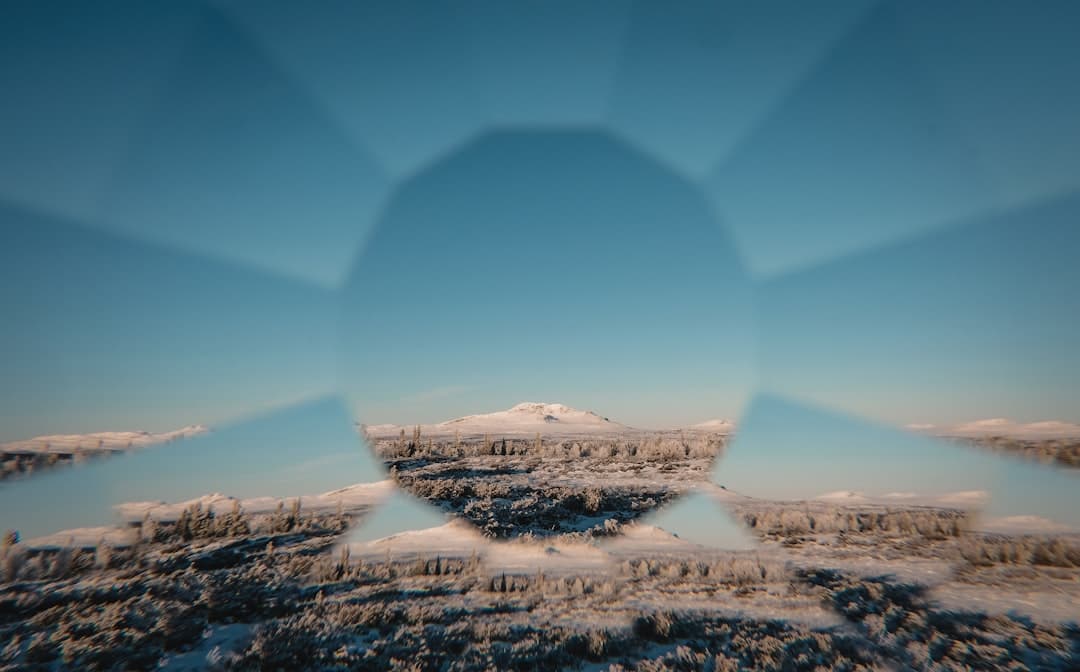

Why UHNW Travelers Choose Finnish Lapland
Finnish Lapland is the anti-destination — there is nothing here except forest, snow, sky, and silence. That absence is the luxury. The region sits inside the Arctic Circle, where winter brings 24-hour darkness lit only by the northern lights, and summer brings 24-hour daylight under the midnight sun.
The accommodation has evolved far beyond log cabins: heated glass igloos with 360° aurora views, cantilevered aurora suites suspended among the birch trees, and exclusive-use wilderness villas with their own saunas, snowmobile fleets, and reindeer herds. Finland is also the safest country in the world — the crime rate in Lapland is essentially zero.
The comparison point for advisors is Iceland versus Finnish Lapland. Iceland offers more dramatic geology (volcanoes, geysers, glaciers), but Lapland sits at higher latitude (Inari at 69°N versus Reykjavik at 64°N), which means significantly more aurora activity and more reliable clear skies. Iceland has become a mass-tourism destination with over 2 million annual visitors; Finnish Lapland receives a fraction of that. For clients whose primary objective is aurora viewing in genuine solitude — lying in a heated glass igloo watching the sky without another property visible on the horizon — Finnish Lapland is the stronger recommendation. The midnight sun season (June–July, up to 73 consecutive days of 24-hour daylight at Utsjoki) offers an entirely different but equally extraordinary Arctic experience.
UHNW Suitability Profile
How Finnish Lapland rates across the five dimensions that matter most to ultra-high-net-worth travelers.
Luxury Infrastructure
High and distinctive. Heated glass igloos with 360° aurora views, cantilevered aurora suites among birch forests, an exclusive-use wilderness lodge (max 8 guests), and a 4-suite lakeside retreat on Inari represent a tier of accommodation that is intimate rather than palatial — $1,500–$8,000/night. The design philosophy prioritises unobstructed sky views and integration with the landscape rather than conventional luxury signifiers.
Privacy
Exceptional. Population density of 2 people per km² (Inari municipality: 7,000 people across 17,334 km²). Properties are separated by vast wilderness with zero light pollution — Sodankylä operates the world's northernmost astronomical observatory specifically because of sky quality. This is as remote as luxury travel gets in mainland Europe.
Accessibility
Good with planning. Ivalo (IVL) and Rovaniemi (RVN) handle private jets up to mid-size (Citation Latitude, Challenger 350). Helsinki-Vantaa (HEL) accommodates heavy jets with 90-minute connecting charter north. Finnair operates scheduled daily service Helsinki–Ivalo and Helsinki–Rovaniemi. Helicopter transfers to remote wilderness lodges available but limited by winter weather windows.
Safety
Exceptional. Finland is consistently ranked among the world's three safest countries. The crime rate in Lapland is statistically negligible. Arctic-trained search and rescue services are world-class, with helicopter evacuation available. All properties provide Arctic survival briefings and professional-grade thermal clothing. The Finnish healthcare system is excellent even in remote areas.
Cultural Depth
Moderate but irreplaceable. Sámi indigenous culture — Europe's only recognised indigenous people — provides authentic Arctic heritage: reindeer herding (annual migration tradition spanning thousands of years), yoik singing (UNESCO intangible heritage nominee), and duodji craftsmanship. Finnish sauna culture is UNESCO-listed as intangible cultural heritage. The Polar Night (kaamos, December–January) produces a mystical blue-twilight that has no equivalent elsewhere — not darkness, but a luminous indigo that lasts for weeks.
Best Time to Visit
December – March (winter), June – August (midnight sun)
December through March for northern lights (200+ nights of aurora activity per year in Lapland), husky sledding, and snowmobile safaris. June through August for midnight sun, fishing, and hiking. March-April offers the best of both: long days, snow still deep, and aurora still active.
- JanPeak Northern Lights (200+ aurora nights/year)
- FebPeak Northern Lights (200+ aurora nights/year)
- MarPeak Northern Lights (200+ aurora nights/year)
- Apr
- May
- JunMidnight Sun (24-hour daylight)
- JulMidnight Sun (24-hour daylight)
- AugPeak season
- Sep
- Oct
- Nov
- DecPeak Northern Lights (200+ aurora nights/year)

Some of Finnish Lapland's finest moments never appear on a booking site.
- Private aurora safari by snowmobile to a wilderness camp — hot berry juice under the northern lights
- Husky sledding expedition across frozen lakes with your own team of Alaskan huskies
- Private Finnish sauna ritual on a frozen lake — alternating between 90°C sauna and ice swimming
- Reindeer farm visit with a Sámi herder — learning traditional lasso techniques and hearing yoik singing
- Ice fishing on a frozen lake in total silence — drilling through 60cm of ice, then grilling the catch over an open fire in a lavvu (Sámi tent) with birch smoke and lingonberry sauce
- Midnight sun kayak expedition (June–July) on Lake Inari — 24-hour golden light reflecting off glass-calm water, with Arctic char fishing and a shoreline campfire at 2am


Why Finnish Lapland for…
Adventure & Expedition
Private snowmobile safari to aurora camps, husky-sledding across frozen lakes, and ice-swimming after a 90°C sauna
Wellness & Longevity
UNESCO-listed Finnish sauna culture — alternating wood-fired lakeside sauna and frozen-lake immersion
Cultural Immersion
Sámi reindeer herding and yoik singing in the world's northernmost indigenous homeland
Ski & Alpine
Fell skiing above the Arctic Circle at Saariselkä with heliskiing in terrain lit by headlamp and aurora
Privacy Profile
Wilderness & Remote
Population density of 2 people per km² and zero light pollution — the loneliest accessible landscape in mainland Europe
Buyout Available
Private wilderness villas with exclusive snowmobile fleets operate as fully self-contained Arctic retreats
Seasonal Highlights
Dec – Mar
Peak Northern Lights (200+ aurora nights/year)
Jun – Jul
Midnight Sun (24-hour daylight)
Dec – Jan
Polar Night (kaamos — mystical blue twilight)
For a party, a principal or a private group.
Getting There
Private Aviation & Logistics
Private jet to Ivalo (IVL) or Rovaniemi (RVN). Helsinki connects to both with 90-minute internal flights. Winter driving conditions are managed but slow — helicopter transfers to remote lodges are recommended.
Private Aviation Summary
Rovaniemi (RVN) and Ivalo (IVL) handle private jets up to mid-size. Helsinki (HEL) for larger aircraft with connecting charter. Helicopter transfers to remote lodges.

Why travellers plan Finnish Lapland with an advisor.
Advisors work with local specialists who know the private places, the doors that open after hours and the tables with a handful of seats. Much of this cannot be booked through ordinary channels.
- Recommendations chosen for you
The hotel, the suite and the season that suit your trip. - An itinerary crafted for you
Cities, countryside and the moments in between, in the right order. - Every booking managed
Your advisor stays at hand for priority changes before and during the trip.
Stability & Governance
What Advisors & Travel Managers Should Know
Finland is consistently ranked the world's happiest, safest, and least corrupt nation. Lapland's tourism is managed by Visit Finland (Business Finland) and regional DMOs with a strong sustainability mandate — most Lapland properties hold the Sustainable Travel Finland label. The Sámi Parliament has consultative authority over tourism in Sámi homeland areas, ensuring indigenous rights are respected. Finland's public rescue services (including Arctic-trained search and rescue) are world-class.
 Tourism Board: Visit Finland (Business Finland)
Frequently Asked Questions
How does Finnish Lapland compare to Iceland for northern lights?
Higher latitude = more frequent aurora. Inari (69°N) is significantly further north than Reykjavik (64°N). Finland also offers more consistently clear skies and zero light pollution. Iceland has more dramatic landscapes; Lapland has more reliable aurora viewing.
Is it suitable for children?
Exceptionally so. Husky rides, reindeer farms, snowman building, and the "real" Santa Claus village in Rovaniemi. Finnish outdoor culture is very child-friendly, and hotels provide full thermal gear in children's sizes.
What about the extreme cold?
Temperatures reach -30°C in January-February. All properties provide Arctic-grade thermal clothing. The cold is dry and manageable with proper gear — clients are consistently surprised by how comfortable it is. The glass igloos are heated to 22°C while offering 360° aurora views.
What is the best time to visit Finnish Lapland?
Finnish Lapland has two distinct luxury seasons. Winter (December–March) is the primary draw: northern lights (200+ aurora nights per year in Inari), husky and reindeer sledding, snowmobile safaris, and the mystical blue-twilight Polar Night in December-January. March-April offers the best of both worlds — long days with snow still deep, aurora still active, and temperatures rising to a manageable -5 to -15°C. Summer (June–August) brings the midnight sun — up to 73 consecutive days of 24-hour daylight at Utsjoki — with hiking, fishing, and kayaking in a transformed landscape of wildflowers and mirror-still lakes.
Can you fly private to Finnish Lapland?
Ivalo (IVL) and Rovaniemi (RVN) both handle private jets up to mid-size — Citation Latitude, Challenger 350, or equivalent. For heavy jets (Global 7500, Gulfstream G700), fly into Helsinki-Vantaa (HEL) and connect by 90-minute charter or Finnair scheduled service. Winter operations are well-managed — Finnish airports are among the best in the world at snow clearance and de-icing. Helicopter transfers from Ivalo to remote wilderness lodges are available but weather-dependent; ground transfer by snowmobile convoy is the atmospheric alternative.
Can we arrive in Finnish Lapland by private jet, and which airports suit us?
Rovaniemi (RVN) and Ivalo (IVL) handle private jets up to mid-size. Helsinki (HEL) for larger aircraft with connecting charter. Helicopter transfers to remote lodges.
Can the stay in Finnish Lapland come with a private chef, a butler and household staff?
Yes. Your advisor finds the villas and hotels in Finnish Lapland that come with a private chef, a butler and household staff, and arranges the staff before you arrive.
Can you arrange private drivers in Finnish Lapland for the whole party?
Yes. Your advisor arranges private drivers and vehicles for everyone travelling, from arrival to departure.
Can we take over a whole hotel, villa or private island in Finnish Lapland just for our group?
Private wilderness villas with exclusive snowmobile fleets operate as fully self-contained Arctic retreats. Your advisor arranges exclusive use where it is offered.
How many of us can stay together in Finnish Lapland, and where do large groups or extended families fit?
Your advisor plans for the whole party, finding the villas, estates and hotels in Finnish Lapland with room to keep a large group or an extended family together.
Which are the very best suites and penthouses in Finnish Lapland?
Your advisor finds the finest suites and penthouses in Finnish Lapland for your dates, and secures the one that suits you.
How private can a stay in Finnish Lapland be, and can we arrive and move around without being noticed?
Population density of 2 people per km² (Inari municipality: 7,000 people across 17,334 km²). Properties are separated by vast wilderness with zero light pollution — Sodankylä operates the world's northernmost astronomical observatory specifically because of sky quality.
Ready to Explore Finnish Lapland?
Planning a journey and want it handled at the highest level?
We connect you with a specialist advisor who knows this destination intimately — someone who builds bespoke itineraries for ultra-high-net-worth travelers, handles every detail, and has direct relationships with the best properties and experiences on the ground.