Kenya — Masai Mara
Where the Great Migration meets private conservancy luxury
At a Glance
Why UHNW Travelers Choose Kenya — Masai Mara
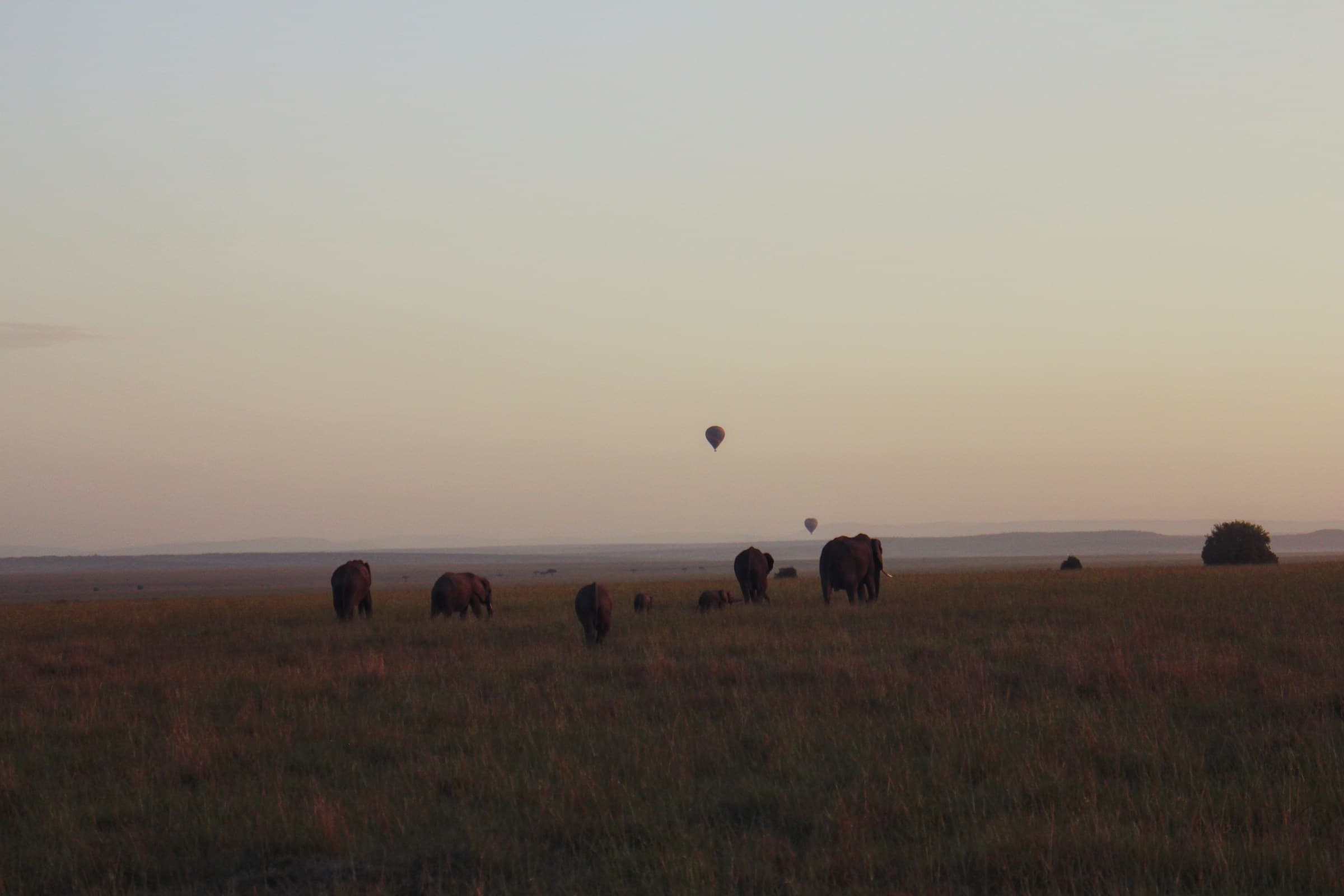
Kenya's Masai Mara ecosystem hosts the most concentrated wildlife spectacle on earth — the Great Migration, when 1.5 million wildebeest and 300,000 zebras cross the Mara River between July and October. For UHNW travelers, the Mara is not a game drive; it's a front-row seat to a phenomenon that has no equivalent anywhere else in the world.
Kenya's Masai Mara ecosystem hosts the most concentrated wildlife spectacle on earth — the Great Migration, when 1.5 million wildebeest and 300,000 zebras cross the Mara River between July and October.
The ultra-luxury safari experience in Kenya operates through private conservancies — tracts of land leased from Maasai communities that strictly limit guest numbers. The conservancy model is Kenya's structural advantage: night drives, off-road driving, walking safaris, and fly-camping are all permitted in conservancies but prohibited in the National Reserve itself. This means UHNW guests get the migration spectacle without the minibus crowds at river crossings.
Kenya also offers the widest range of safari environments in a single country: the Mara for migration, Laikipia for rhino and ranch-style safari, Amboseli for Kilimanjaro views, and the coast for post-safari beach. A 10-14 day Kenya itinerary can cover dramatic ecological variety without crossing a border.

There is something about safari life that makes you forget all your sorrows and feel as if you had drunk half a bottle of champagne.


UHNW Suitability Profile
How Kenya — Masai Mara rates across the five dimensions that matter most to ultra-high-net-worth travelers.
Signature Experiences

Getting There
International private jets land at Jomo Kenyatta International Airport (JKIA) in Nairobi. Charter flights from Wilson Airport (WIL) reach Mara conservancy airstrips in 45-60 minutes. Most ultra-luxury camps arrange door-to-door transfers: meet-and-greet at JKIA, private lounge at Wilson, bush plane to camp.
Best Time to Visit
The Great Migration river crossings peak July-October, with August-September the most dramatic. The short rains (November-December) bring newborn wildlife and lush green landscapes with almost no other guests. January-March is calving season in the Serengeti — some operators offer cross-border itineraries combining Kenya and Tanzania.
Stability & Governance
Kenya's tourism sector is overseen by the Kenya Tourism Board and the Kenya Wildlife Service, both government agencies with strong international credibility. Private conservancies surrounding the Masai Mara operate under community partnership agreements, ensuring that tourism revenue directly supports local Maasai communities. Political stability has improved significantly since 2013, and the luxury safari corridor operates independently of Nairobi's urban politics.

Premium placements for luxury properties in Kenya — Masai Mara. Reach UHNW travelers and advisors actively planning trips to this destination.
Frequently Asked Questions
When is the best time to see the Great Migration in Kenya?
The Great Migration river crossings in Kenya's Masai Mara peak between July and October, with August and September offering the most dramatic Mara River crossings. The wildebeest move from the Serengeti into the Mara around July and begin returning south by November.
What is the difference between the Masai Mara and private conservancies?
The Masai Mara National Reserve is government-managed with open access — during peak migration, river crossings can attract 30-50 vehicles. Private conservancies are leased from Maasai communities, strictly limit guest numbers, and permit night drives, off-road driving, walking safaris, and fly-camping — all prohibited in the reserve itself.
How safe is a luxury safari in Kenya?
Very safe in the context of private conservancies and ultra-luxury camps. All camps have experienced guides and armed rangers for walking safaris. Private conservancies have dedicated security operations. Nairobi has modern medical facilities, and air ambulance service from the Mara takes approximately 45 minutes.
Is Kenya or Tanzania better for a luxury safari?
They offer different experiences. Kenya's advantage is the private conservancy model: fewer guests, off-road access, walking safaris, and night drives — all restricted in Tanzania's Serengeti. Tanzania offers the Ngorongoro Crater (unmatched for Big Five density) and calving season (January-March). Many UHNW travelers combine both.
How accessible is the Masai Mara by private aircraft?
Very accessible. International private jets land at JKIA in Nairobi. Charter flights from Wilson Airport reach Mara conservancy airstrips in 45-60 minutes. Most ultra-luxury camps handle seamless door-to-door logistics including meet-and-greet at JKIA and private lounge access at Wilson.
Ready to Explore Kenya — Masai Mara?
Whether you're planning a trip, advising a client, or promoting your property — Ultra Network connects the ecosystem.
Planning a journey and want it handled at the highest level?
We connect you with a specialist advisor who knows this destination intimately — someone who builds bespoke itineraries for ultra-high-net-worth travelers, handles every detail, and has direct relationships with the best properties and experiences on the ground.