Morocco — Atlas & Marrakech
Where the Sahara, the souks, and Michelin dining share the same latitude
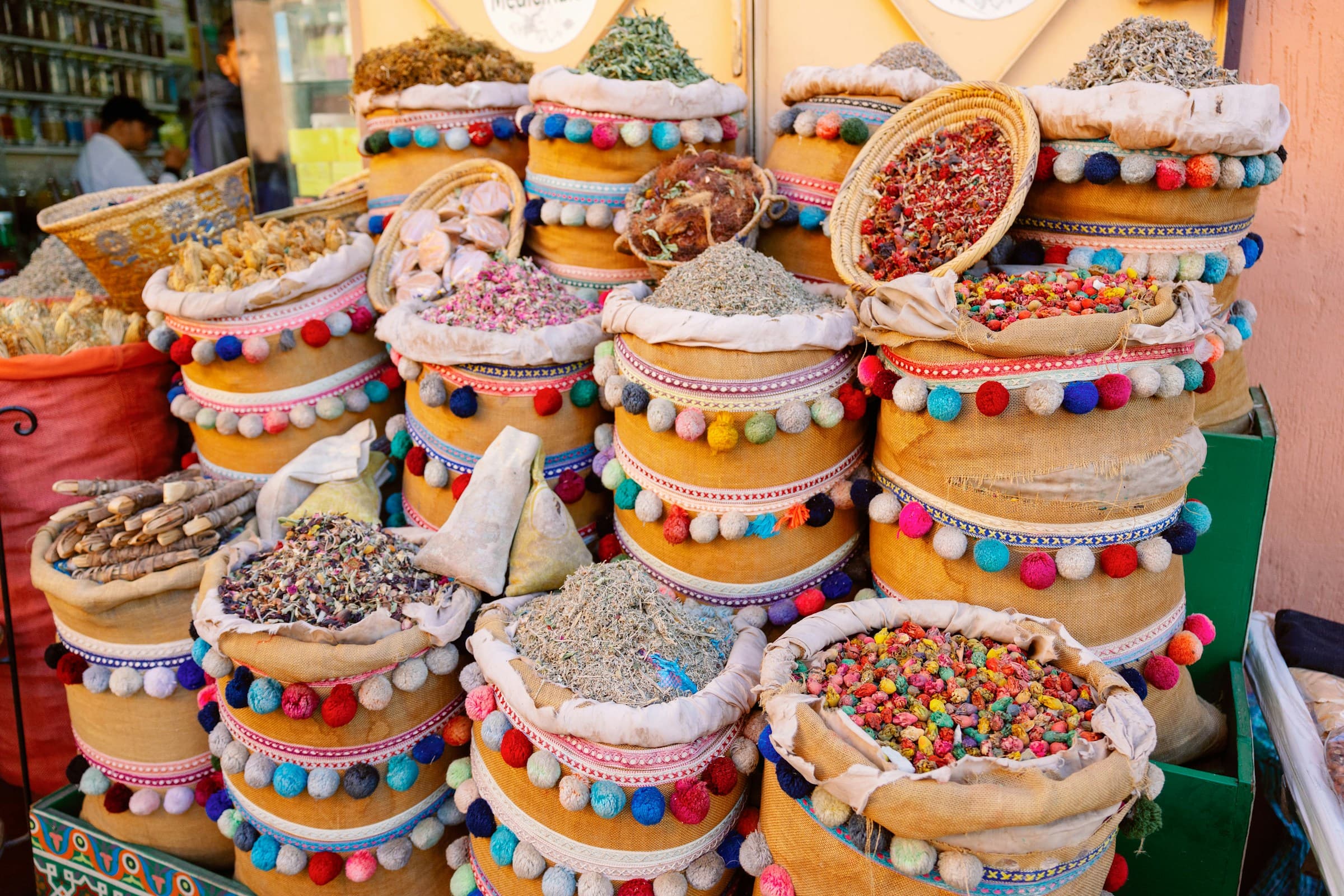
At a Glance
Why UHNW Travelers Choose Morocco — Atlas & Marrakech
Morocco sits within five hours of London and three hours of the Gulf on a private jet, yet delivers a degree of cultural contrast rarely achievable within that radius. The combination of a functioning ancient medina in Fes (a UNESCO World Heritage city that has remained largely unchanged for 800 years), a world-class contemporary luxury scene in Marrakech, High Atlas trekking with Berber village access, and proper Sahara desert experiences in Merzouga or Erg Chigaga creates itinerary variety that rewards 10-night visits and still leaves material for return trips.
Morocco sits within five hours of London and three hours of the Gulf on a private jet, yet delivers a degree of cultural contrast rarely achievable within that radius.
The ultra-luxury tier in Morocco is genuinely world-class. Marrakech's flagship hotel was purpose-built by King Mohammed VI as Morocco's hospitality statement — a medina of private riad townhouses staffed at a ratio that would embarrass most hotels. The legendary garden hotel has operated since 1923 and counts Churchill, Hitchcock, and a roster of heads of state among its returning guests. A third property operates in the tradition of understated maximum quality from its palm grove setting. The 17-acre gardens, the mosaic-tiled architecture, and the consistent kitchen quality across all three properties make Marrakech a serious destination rather than merely an exotic one.
For UHNW travelers who want a cultural counterpoint to a European summer circuit, Morocco slots naturally as a spring or autumn addition. The Atlas mountains in March and April — snow-capped, accessible by 4WD, inhabited by Berber villages unchanged for centuries — represent an expedition experience that requires no long-haul flight and none of the complexity of Central Asian or East African logistics.

Morocco is a cold country with a hot sun. That paradox explains everything — the architecture, the food, the people.


UHNW Suitability Profile
How Morocco — Atlas & Marrakech rates across the five dimensions that matter most to ultra-high-net-worth travelers.
Signature Experiences

Getting There
Marrakech Menara (RAK) accepts all private jets with full handling services through Dassault Aviation FBO. The airport is 10 minutes from the medina. For multi-city itineraries, Casablanca Mohammed V (CMN) and Fes Saïss (FEZ) both accept private charters. High Atlas transfers use 4WD vehicles (1-2 hours). Sahara desert camp access typically involves either a domestic Menara Aviation charter to Ouarzazate (45 min) plus 4WD, or a helicopter directly from Marrakech to a desert landing zone.
Best Time to Visit
March through May is the optimal window — Atlas snow still visible on mountain peaks, spring wildflowers in the foothills, and Marrakech at 22-26°C. October and November offer a near-identical experience after the summer heat breaks. Summer (June-August) is genuinely hot in Marrakech (40°C+) and best avoided by those sensitive to heat, though the Atlas mountains and Sahara nights remain comfortable. Ramadan (dates vary annually) transforms the medina — some UHNW visitors specifically seek the iftar atmosphere; others find the operational disruptions a reason to adjust timing.
Stability & Governance
Morocco is a constitutional monarchy under King Mohammed VI with stable and internationally respected governance. The country has pursued a consistent pro-tourism strategy with significant public investment in luxury hospitality infrastructure. Morocco was the first African country to establish a dedicated tourism ministry and has maintained a clear regulatory environment for foreign-owned properties and charter aviation. The political relationship with Western nations is strong and consistent.
Premium placements for luxury properties in Morocco — Atlas & Marrakech. Reach UHNW travelers and advisors actively planning trips to this destination.
Frequently Asked Questions
What is the best time to visit Morocco for a luxury trip?
March through May is widely considered the optimal window — comfortable temperatures across all regions, Atlas snow for mountain drama, spring wildflowers, and significantly reduced visitor density compared to winter peak. October and November are equally good. Avoid July and August in Marrakech (regularly 40°C+) unless you are based in the mountains or Sahara. Ramadan requires operational awareness — medina restaurants reduce hours, but the evening iftar atmosphere has a cultural richness that some UHNW guests specifically seek.
How do the top two Marrakech properties compare?
The royal palace hotel delivers the most private ultra-luxury experience in Morocco — each guest occupies a multi-level private riad townhouse, eliminating shared hotel corridors entirely. The staffing ratio is extraordinary. The legendary garden hotel offers the superior setting (17 acres, iconic) and a deeper history — Churchill painted here, Hitchcock visited. One wins on structural privacy; the other wins on setting and historical resonance. Most UHNW travelers split a Marrakech stay across both on separate trips.
Can you combine Marrakech and the Sahara in the same trip?
Yes, effectively. A 7-8 night itinerary allows 3 nights in Marrakech, 1 night in the Atlas foothills (Kasbah du Toubkal or similar), and 2-3 nights at a Sahara desert camp in the deep desert south of the Atlas. The transition requires either a domestic charter flight to Ouarzazate (45 minutes) or a scenic 4-5 hour road journey through the Atlas passes and the Draa Valley — which many UHNW clients actively prefer for the landscape.
Is Morocco safe for high-profile travelers?
Yes. Morocco is one of North Africa's most politically stable countries with a functioning constitutional monarchy, consistent pro-Western foreign policy, and extensive experience managing UHNW visitors at its top properties. The top three Marrakech properties all have professional security operations. Medina exploration carries standard North African petty theft awareness — most ultra-luxury properties provide personal guides for guest medina visits as a matter of routine.
What is the best way to experience Fes on a luxury itinerary?
Fes is a day trip from Marrakech by private jet (45 minutes) or a dedicated 2-3 night stay. The medina of Fes el-Bali is a living 9th-century Islamic city and requires a specialist guide — the souks can disorient even experienced travelers. Several boutique riad hotels and palace conversions provide suitable ultra-luxury accommodation. The primary UHNW experience of Fes is the tanneries, the Ben Youssef Medersa tilework, and the entirely different cultural atmosphere compared to Marrakech — more scholarly, more closed, more authentically ancient.
Ready to Explore Morocco — Atlas & Marrakech?
Whether you're planning a trip, advising a client, or promoting your property — Ultra Network connects the ecosystem.
Planning a journey and want it handled at the highest level?
We connect you with a specialist advisor who knows this destination intimately — someone who builds bespoke itineraries for ultra-high-net-worth travelers, handles every detail, and has direct relationships with the best properties and experiences on the ground.