Patagonia
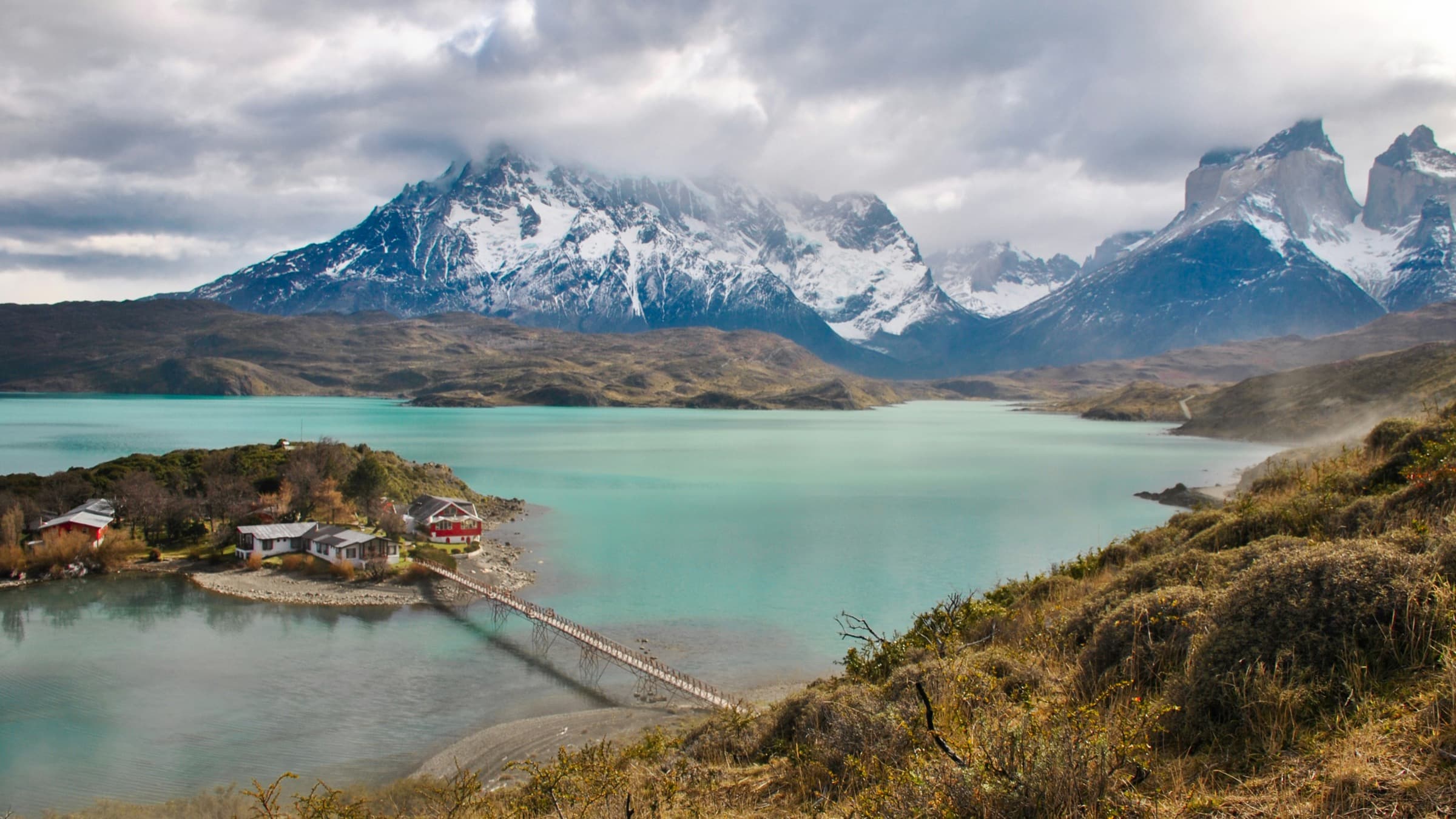
Granite spires, 50-kilometre glaciers, and a silence broken only by condor wingbeats
At a Glance
Why UHNW Travelers Choose Patagonia
Patagonia is the antithesis of manicured luxury — and that's precisely why it attracts the most adventurous UHNW travelers. The Torres del Paine massif, the Perito Moreno Glacier, and the vast steppe of the Argentine pampas offer a scale of wilderness that dwarfs anything in the Northern Hemisphere.
Patagonia is the antithesis of manicured luxury — and that's precisely why it attracts the most adventurous UHNW travelers.
What makes Patagonia exceptional for UHNW travel is the combination of absolute remoteness with increasingly sophisticated lodge experiences. The top lodge (14 villas, each with its own guide and 4x4) proves that genuine wilderness and genuine comfort aren't mutually exclusive.
The destination rewards physical engagement — hiking, riding, kayaking — in ways that passive luxury destinations cannot. For UHNW travelers who have exhausted beach resorts and European cities, Patagonia represents what many describe as the most memorable travel experience of their lives.

Patagonia is the farthest place to which man walked from his place of origin. It is therefore a symbol of his restlessness.


UHNW Suitability Profile
How Patagonia rates across the five dimensions that matter most to ultra-high-net-worth travelers.
Signature Experiences

Getting There
From Buenos Aires, fly to El Calafate (FTE, 3.5 hours) for the Argentine side or Punta Arenas (PUQ, 3.5 hours) from Santiago for the Chilean side. Private jets accepted at both. Helicopter transfers to remote lodges are common. Cross-border road transfers connect Argentine and Chilean Patagonia (2-4 hours).
Best Time to Visit
November through March (austral summer) offers the longest days (up to 17 hours of daylight) and accessible hiking conditions. December-February is peak season. October and April can be spectacular but colder with unpredictable weather. Patagonia's weather is famously changeable — expect four seasons in one day.
Stability & Governance
Patagonia spans both Chile and Argentina, with the Chilean side generally offering more stable governance and better-maintained infrastructure for UHNW travel. Chile's CONAF (national forestry corporation) manages Torres del Paine with well-enforced environmental standards. Argentina's Patagonian parks are managed by the national parks administration (APN). Currency considerations: the Argentine peso fluctuates significantly; the Chilean peso is more stable.

Premium placements for luxury properties in Patagonia. Reach UHNW travelers and advisors actively planning trips to this destination.
Frequently Asked Questions
What is the best time to visit Patagonia?
November through March (austral summer) offers the best conditions. December-February is peak season with the longest days and warmest temperatures. October and April offer shoulder-season value but more unpredictable weather.
How much does a luxury Patagonia trip cost?
Ultra-luxury Patagonia trips range from $40,000 to $180,000 for 8-14 nights. This includes private lodges, dedicated guides, helicopter transfers, and expedition activities. The top lodges assign each guest their own guide and vehicle.
Is Patagonia suitable for non-hikers?
Yes. While hiking is the signature activity, top lodges offer horseback riding, kayaking, 4x4 expeditions, wildlife photography, and scenic flights. Many of Patagonia's most stunning viewpoints are accessible by vehicle or helicopter.
Chilean Patagonia or Argentine Patagonia?
Both, ideally. Chilean Patagonia (Torres del Paine) has the most dramatic mountain scenery, the best lodge infrastructure (three internationally branded expedition lodges), and fewer visitors. Argentine Patagonia has Perito Moreno Glacier (the world's most accessible advancing glacier), El Chaltén for Fitz Roy, and the gaucho estancia culture. The classic UHNW itinerary crosses both: 4–5 nights Chilean side (Torres del Paine) plus 3–4 nights Argentine side (El Calafate, Perito Moreno). Border crossing is straightforward by road or scenic charter flight.
Is Patagonia suitable for families?
Yes, from approximately age 8 upward. The landscape is dramatic enough to captivate children without requiring extreme fitness — horseback riding, zodiac trips to glaciers, wildlife spotting (guanaco, condor, puma), and estancia visits with gaucho demonstrations all work for families. The top Chilean lodges accommodate families with modified excursion programmes. The main consideration is remoteness: the nearest major hospital is in Punta Arenas (4–5 hours from Torres del Paine by road), so medical evacuation planning is advisable for families with very young children.
Ready to Explore Patagonia?
Whether you're planning a trip, advising a client, or promoting your property — Ultra Network connects the ecosystem.
Planning a journey and want it handled at the highest level?
We connect you with a specialist advisor who knows this destination intimately — someone who builds bespoke itineraries for ultra-high-net-worth travelers, handles every detail, and has direct relationships with the best properties and experiences on the ground.