Peru — Sacred Valley & Lima
The Inca empire, the world's best restaurant, and cloud-forest silence.
At a Glance
Why UHNW Travelers Choose Peru — Sacred Valley & Lima
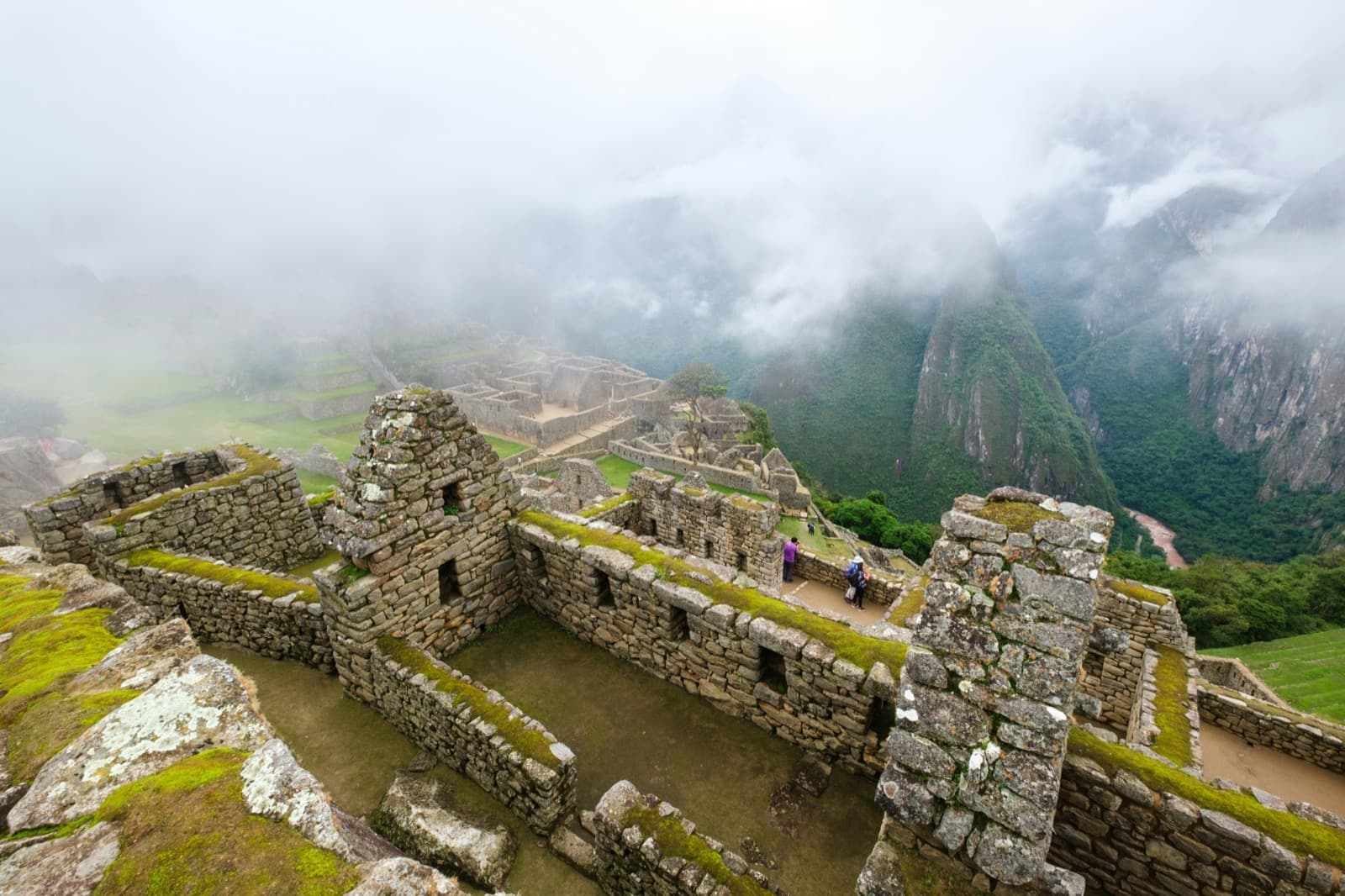
Peru occupies a unique position in UHNW travel: it is simultaneously a profound cultural encounter and a world-class gastronomic destination, anchored by the most iconic archaeological site in the Western Hemisphere. Machu Picchu, seen in the right context — a private sunrise before the crowds arrive, with an expert archaeologist providing what is genuinely the best-understood and least-understood account of Inca society — is an experience that changes how travellers think about human achievement and time. It belongs in the same category as the Pyramids at Giza or Angkor Wat, but with more nuanced access options for those who engage early.
Peru occupies a unique position in UHNW travel: it is simultaneously a profound cultural encounter and a world-class gastronomic destination, anchored by the most iconic archaeological site in the Western Hemisphere.
Lima has become one of the world's most interesting cities for food. Central, Virgilio Martínez's systematic exploration of Peru's altitude ecosystems through an 18-course tasting menu, has held the top ranking in the Latin America 50 Best list and broken repeatedly into the World's 50 Best. Astrid & Gastón, Maido, and Kjolle represent the depth of a scene built on profound native biodiversity — in Peru, the ingredients are the story, and the chefs who understand them have few peers globally. A three-night Lima pre-trip combining Barranco's art scene with serious restaurant research constitutes one of the most satisfying urban interludes in South America.
The Sacred Valley is the experiential core: a 60-kilometre-long Andean valley that the Inca used as their agricultural laboratory and spiritual heartland, now scattered with extraordinary ruins that receive a fraction of Machu Picchu's visitors. A 16th-century palace-convent conversion in Cusco and an all-inclusive exploration lodge in the Sacred Valley anchor a circuit that can productively occupy seven to ten nights. Lake Titicaca, the world's highest navigable lake, adds a further dimension accessible as a four-night extension from Cusco.

Peru taught me that flavour is geography. Every altitude has a different pantry, a different story.


UHNW Suitability Profile
How Peru — Sacred Valley & Lima rates across the five dimensions that matter most to ultra-high-net-worth travelers.
Signature Experiences

Getting There
Jorge Chávez (LIM) in Lima is the primary international gateway — LAN, American, Delta, United, and LATAM operate direct transatlantic and North American services. Private jet handling is managed through Jet FBO. From Lima, the domestic connection to Cusco (CUZ) takes 75 minutes; private charters are available. Altitude at Cusco (3,400m) requires 24–48 hours of acclimatisation — most itineraries overnight first in the Sacred Valley's lower elevations (2,800m) at exploration lodges or hacienda-style properties. The luxury observation train to Machu Picchu departs from Cusco (Poroy) or Ollantaytambo in the Sacred Valley.
Best Time to Visit
May–October is the Andean dry season — the definitive period for the Cusco circuit, Sacred Valley, and Machu Picchu. Clear skies, dry trails, and the best mountain photography conditions. June–August are peak months; May and September–October offer quieter conditions with equivalent weather. November–April is the wet season: Machu Picchu becomes lush and often mist-wreathed (atmospheric but photographically challenging), and the Inca Trail closes entirely in February for maintenance. Lima is grey year-round due to the Humboldt Current coastal fog — weather is not a determining factor for choosing Lima timing.
Stability & Governance
PromPerú (Comisión de Promoción del Perú para la Exportación y el Turismo) is the national trade and tourism promotion agency operating under the Ministry of Foreign Trade and Tourism. PromPerú manages Peru's international destination marketing and co-ordinates with regional tourism bodies.

Premium placements for luxury properties in Peru — Sacred Valley & Lima. Reach UHNW travelers and advisors actively planning trips to this destination.
Frequently Asked Questions
How serious is altitude sickness, and how should we prepare for Cusco?
Cusco sits at 3,400 metres — above the threshold where altitude effects become significant for many visitors. Symptoms range from mild headache and fatigue to, rarely, more serious conditions. The standard mitigation is a 24-48 hour acclimatisation period, either in Cusco itself or at the lower-altitude Sacred Valley (2,800m), before strenuous activity. Acetazolamide (Diamox) prescribed by a travel physician is widely used prophylactically. Coca tea is a traditional Andean remedy. Most guests with no pre-existing heart or lung conditions acclimatise without issue within 48 hours.
Can we get private access to Machu Picchu outside regular visiting hours?
Private early access is available through a small number of authorised operators who hold permits for sunrise entry before the gates open to general visitors. Groups of up to 10 can access the site at dawn with a licensed guide and professional photographer. The permit system is managed by Peru's Ministry of Culture and requires advance booking — availability for high season (June–August) should be secured 3–6 months ahead. There is no legal mechanism for a full site buyout; early-access morning visits are the most exclusive option available.
Is Lima worth multiple nights as part of a Machu Picchu trip?
Unequivocally yes. Lima's food scene is one of the world's great undiscovered gastronomic destinations — Central, Astrid & Gastón, Maido, and Kjolle collectively represent a culinary depth that few cities outside Paris, Tokyo, or New York can match. Barranco, the bohemian coastal neighbourhood, holds excellent contemporary art galleries, the Larco Museum (the world's finest private pre-Columbian collection), and a café culture that rewards slow exploration. Two to three nights in Lima as a trip bookend significantly elevates the overall Peru experience.
What is the optimal private itinerary for 10 nights in Peru?
A well-designed 10-night circuit: two nights in Lima (Larco Museum, Central restaurant, Barranco exploration); one night in transit at a Sacred Valley exploration lodge for acclimatisation; three nights using the Sacred Valley as a base (Pisac, Chinchero, Moray, Maras salt mines); two nights in Cusco (the palace-convent heritage hotel, San Blas artisans quarter, Sacsayhuamán); one night at the luxury lodge adjacent to Machu Picchu for sunrise access; final night in Cusco before Lima return. The luxury observation train can replace the road journey on a single leg.
How does Peru compare to Bolivia or Ecuador for a South American cultural itinerary?
Peru is the anchor destination for Andean cultural travel — Machu Picchu has no true equivalent elsewhere, and Lima's gastronomic scene is the most developed in South America. Bolivia's Uyuni Salt Flats and Tiwanaku offer remarkable experiences that Peru cannot replicate; a 14-night Peru-Bolivia circuit combining both is among South America's finest itineraries. Ecuador's Galápagos has no terrestrial equivalent in Peru but offers a completely different (marine and wildlife) experience. For first-time South American visitors, Peru should precede Bolivia or Ecuador in any comparative ranking.
Ready to Explore Peru — Sacred Valley & Lima?
Whether you're planning a trip, advising a client, or promoting your property — Ultra Network connects the ecosystem.
Planning a journey and want it handled at the highest level?
We connect you with a specialist advisor who knows this destination intimately — someone who builds bespoke itineraries for ultra-high-net-worth travelers, handles every detail, and has direct relationships with the best properties and experiences on the ground.