Rwanda — Volcanoes National Park
The mountain gorilla encounter — the most profound wildlife moment on Earth
At a Glance
Why UHNW Travelers Choose Rwanda — Volcanoes National Park
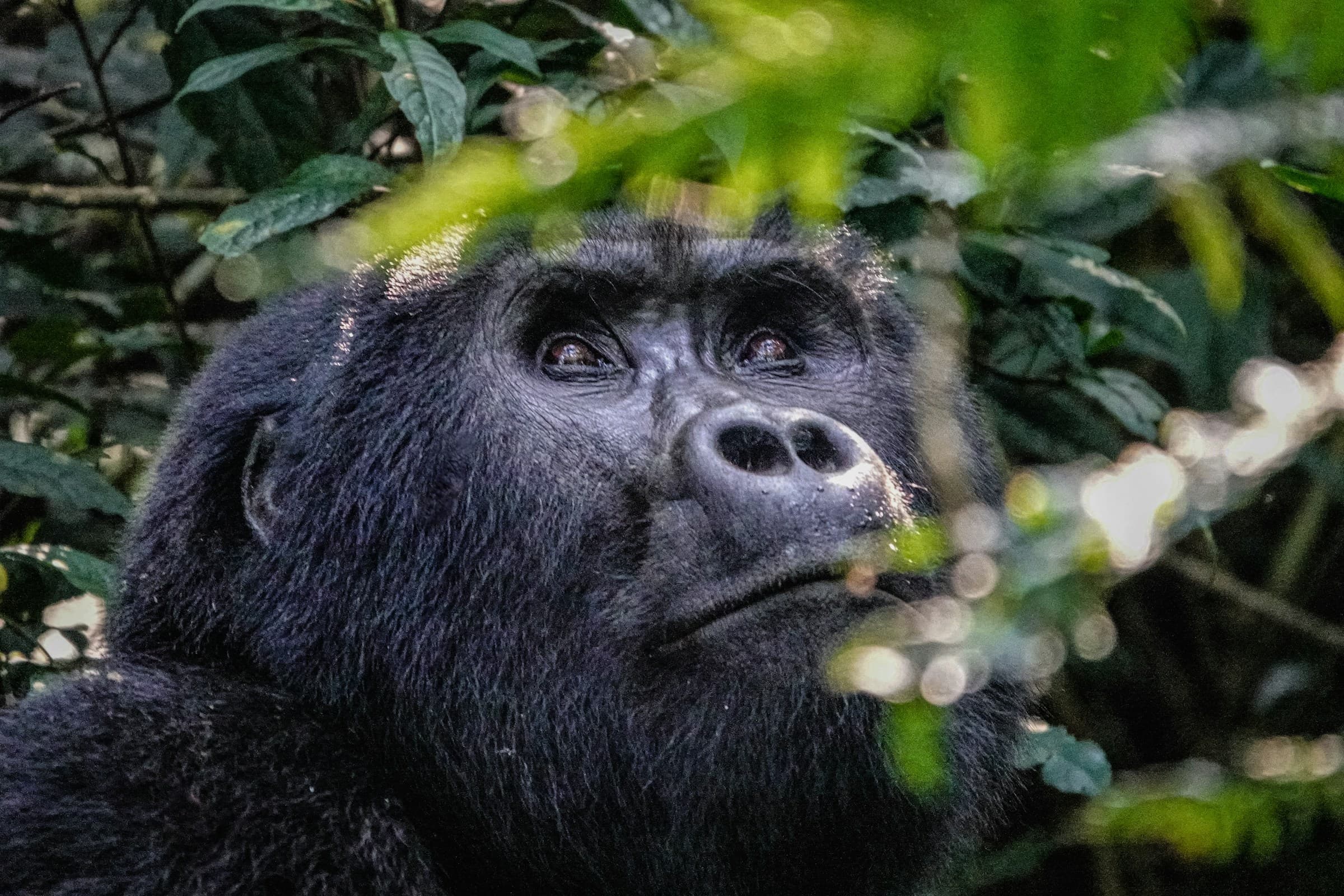
There are fewer than 1,000 mountain gorillas left on Earth, and they exist in exactly one place: the Virunga volcanic range straddling Rwanda, Uganda, and the DRC. Rwanda offers the most luxurious and safest access. Sitting one metre from a 200kg silverback in his bamboo forest — eye contact, breathing, family life — is consistently described as the most moving wildlife experience possible.
There are fewer than 1,000 mountain gorillas left on Earth, and they exist in exactly one place: the Virunga volcanic range straddling Rwanda, Uganda, and the DRC.
Beyond gorillas, Rwanda has reinvented itself as Africa's cleanest, safest, and most efficiently run country. Kigali is immaculate. Akagera National Park offers Big Five safaris without the crowds of East Africa. Two internationally branded ultra-luxury lodges have brought 6-to-21-suite intimacy to the volcano foothills, with more under development.
The non-obvious insight for advisors is that Rwanda's deliberate high-value, low-volume tourism strategy — gorilla permits at $1,500 per person, lodge capacities under 20 rooms, park-wide daily visitor caps — makes it one of the few destinations in the world where exclusivity is structurally guaranteed rather than marketed. A family group of four spending $1,500 each on permits is directly funding conservation and community programmes. This is not greenwashing — Rwanda's mountain gorilla population has grown from 680 in 2008 to over 1,000 today, and the revenue model is the primary reason. For clients who care about the ethics of their travel, Rwanda offers the rare combination of profound experience and genuine conservation impact.

Meeting the gaze of a mountain gorilla is one of the most humbling experiences available to a human being.


UHNW Suitability Profile
How Rwanda — Volcanoes National Park rates across the five dimensions that matter most to ultra-high-net-worth travelers.
Signature Experiences

Getting There
Direct flights to Kigali from Amsterdam (KLM), Brussels (Brussels Airlines), Istanbul (Turkish), and Doha (Qatar). Private jet via Kigali (KGL). Helicopter charter to Volcanoes NP saves 2+ hours versus driving.
Best Time to Visit
June through September is the long dry season — best trekking conditions, firm trails, clearer views. December through February is the short dry — also excellent. The wet seasons (March-May, October-November) make trails muddy but gorillas descend to lower altitudes, making treks shorter.
Stability & Governance
Rwanda has transformed remarkably since 1994 under President Kagame's governance — it is now Africa's cleanest, most organized, and one of its safest nations. The Rwanda Development Board (RDB) manages tourism with deliberate high-value strategy: gorilla permits are priced at $1,500 specifically to fund conservation and limit visitor impact. Kigali is immaculate, corruption is among the lowest in Africa, and the government actively courts premium hospitality brands.
Premium placements for luxury properties in Rwanda — Volcanoes National Park. Reach UHNW travelers and advisors actively planning trips to this destination.
Frequently Asked Questions
Why Rwanda over Uganda for gorillas?
Rwanda offers better infrastructure, shorter trekking distances (gorilla families are well-habituated), and superior accommodation — three internationally branded lodges at the ultra-luxury tier. Uganda is significantly cheaper ($700 vs $1,500 permits) but with longer, more strenuous treks and less luxury lodging.
How difficult is the gorilla trek?
Moderate to challenging — 1-4 hours of hiking through bamboo forest at 2,500-3,500m altitude. Porters are available (and recommended). The park assigns families based on fitness level — tell the ranger honestly and you'll be matched appropriately.
Can I combine with other East African safaris?
Yes. Rwanda → Kenya (Masai Mara) or Rwanda → Tanzania (Serengeti) is a classic combination. Also pairs beautifully with Botswana for a "gorillas + delta" itinerary.
Is Rwanda suitable for families with children?
Yes, with age caveats. Children must be 15 or older to participate in gorilla trekking (park regulation, strictly enforced). For families with younger children, Akagera National Park offers Big Five game drives with no age restriction, and the golden monkey treks are gentler and shorter. Lake Kivu provides relaxed waterfront activities. The top lodges accommodate families, though the gorilla trek itself is the main draw and the age limit should be discussed with clients early in the planning process.
How far in advance should gorilla permits be booked?
Six to twelve months ahead for peak season (June–September and December–February). The Rwanda Development Board releases permits in annual batches, and the most desirable gorilla families — particularly those with young infants — sell out first. Each family receives exactly 8 visitors per day, and there are approximately 12 habituated families, meaning only 96 permits are available per day across the entire park. Off-peak months (March–May, October–November) are easier to secure on shorter notice, and the wetter trails often bring gorillas to lower elevations, shortening the trek.
Ready to Explore Rwanda — Volcanoes National Park?
Whether you're planning a trip, advising a client, or promoting your property — Ultra Network connects the ecosystem.
Planning a journey and want it handled at the highest level?
We connect you with a specialist advisor who knows this destination intimately — someone who builds bespoke itineraries for ultra-high-net-worth travelers, handles every detail, and has direct relationships with the best properties and experiences on the ground.