Saudi Arabia — AlUla
Two thousand years of Nabataean silence — the world's newest frontier in ultra-luxury travel
At a Glance
Why UHNW Travelers Choose Saudi Arabia — AlUla
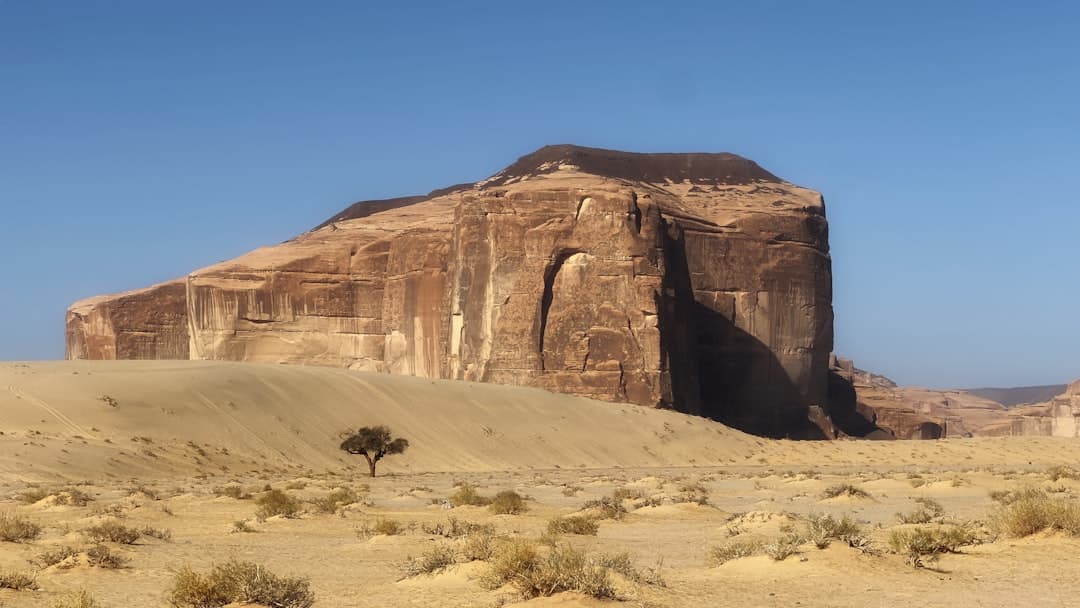
AlUla is the most significant new luxury destination to emerge in a generation. A Nabataean trading city carved into sandstone 2,000 years ago — think Petra, but larger, less visited, and with a Saudi government investing $15 billion to make it the world's largest living museum.
AlUla is the most significant new luxury destination to emerge in a generation.
The landscape is genuinely otherworldly: towering sandstone formations, ancient tombs cut into cliff faces, and a silence that is almost physical. The first wave of luxury properties is already operational — tented canyon-floor villas and mirrored desert pods — with a second wave of internationally branded resorts (including one carved directly into the sandstone canyon walls by a Pritzker Prize-winning architect) due to open by 2027.
The critical consideration for advisors is timing. AlUla is at the inflection point between frontier and established — visit now and your clients experience a UNESCO site that receives a fraction of Petra's visitors, with properties that are genuinely new and services that have the attentive intensity of an emerging destination trying to prove itself. Within five years, as the next generation of resorts opens, AlUla will be a marquee destination commanding marquee prices. The current window offers both exclusivity and value that will not persist. Alcohol is not available — this is a genuine consideration for some clients, but the trade-off is a destination with virtually no mass tourism and a stillness that most luxury travel has lost.

AlUla is a 200,000-year-old open-air museum that the modern world is only now being invited to see.


UHNW Suitability Profile
How Saudi Arabia — AlUla rates across the five dimensions that matter most to ultra-high-net-worth travelers.
Signature Experiences

Getting There
Private jet to AlUla (ULH) via Riyadh or Jeddah. The airport was expanded in 2024 specifically for private aviation. The drive from Jeddah (3.5h) through the Hejaz mountains is spectacular if time allows.
Best Time to Visit
October through March: pleasant 20-28°C days, cool desert nights (5-10°C). The Tantora Festival (December-January) brings world-class music and art installations to the canyon. April-September is extremely hot (45°C+) and not recommended.
Stability & Governance
AlUla is governed by the Royal Commission for AlUla (RCU), a dedicated authority established by royal decree with a $15 billion mandate to develop the region as a global heritage destination. The RCU operates semi-independently with world-class advisors (including the French Agency for AlUla Development). Saudi Arabia's Vision 2030 reform program has liberalized tourism significantly — e-visas, entertainment, and relaxed dress codes for tourists are now standard.

Premium placements for luxury properties in Saudi Arabia — AlUla. Reach UHNW travelers and advisors actively planning trips to this destination.
Frequently Asked Questions
Is Saudi Arabia ready for UHNW tourism?
AlUla specifically — yes. The Royal Commission has invested heavily in infrastructure, conservation, and hospitality training. The rest of Saudi is developing rapidly but AlUla is the showcase. Three of the world's leading luxury hotel brands and a Pritzker Prize-winning architect are all building here.
What about cultural restrictions?
Saudi has liberalized significantly since 2019. Tourist areas have relaxed dress codes, entertainment, and mixed-gender socializing. Alcohol is not available — this is a genuine consideration for some clients. The trade-off is a destination with virtually no mass tourism.
How does it compare to Petra in Jordan?
Hegra (Madain Saleh) was built by the same Nabataean civilization as Petra, and is actually better preserved. It receives a fraction of the visitors. The landscape is more dramatic, the silence more complete, and the luxury infrastructure is being built from scratch to the highest standards.
What is the best time to visit AlUla?
October through March is the only recommended window: pleasant daytime temperatures of 20–28°C and cool desert nights (5–10°C) that make outdoor dining and stargazing comfortable. The Tantora Festival (December–January) is the cultural highlight — world-class music performances staged in the canyon amphitheatre alongside art installations and heritage programming. Desert X AlUla (typically February–March) adds contemporary art to the ancient landscape. April through September is extremely hot (45°C+) and not recommended for leisure visits.
Do I need a visa for Saudi Arabia?
Saudi Arabia now offers a tourist e-visa for 66+ nationalities including US, EU, UK, and Australian citizens — single application online, valid for one year with multiple entries, 90 days maximum per visit (180 days total per year). Holders of valid Schengen, US, or UK visas also qualify regardless of nationality. The visa costs approximately $80–$200 including mandatory medical insurance. For nationalities not on the e-visa list, a consular visa application is required. The liberalisation since 2019 has been dramatic — entertainment, mixed-gender socializing, and relaxed tourist dress codes are now standard in tourism zones.
Ready to Explore Saudi Arabia — AlUla?
Whether you're planning a trip, advising a client, or promoting your property — Ultra Network connects the ecosystem.
Planning a journey and want it handled at the highest level?
We connect you with a specialist advisor who knows this destination intimately — someone who builds bespoke itineraries for ultra-high-net-worth travelers, handles every detail, and has direct relationships with the best properties and experiences on the ground.