
Destinations where the train is part of the journey.
Europe
Asia
The Americas
What makes a train journey luxurious.
The great trains share a few things: cabins or suites designed for comfort over days rather than hours, dining that is part of the experience rather than a buffet car, service from staff who look after a small number of guests, and a route chosen for what you see from the window.
They come in two kinds. Sleeper trains travel through the night and wake you somewhere new. Daylight trains travel only by day, so nothing is missed, and their guests spend each night in a hotel along the way. Both are slow by design.
Europe: Paris to Venice, and across the Alps.
The Venice Simplon-Orient-Express is the train most people picture: carriages from the 1920s and 1930s, restored and running between Paris and Venice, crossing the Alps overnight. Dinner is the event of the journey, and the evening dress code is part of the occasion.
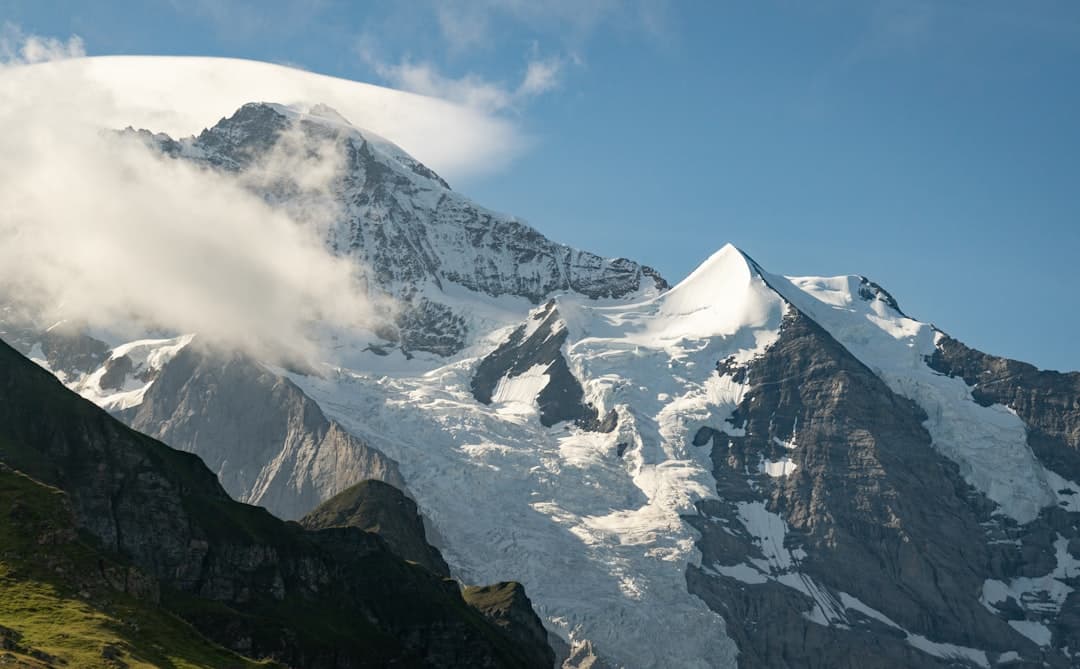
Switzerland is the home of the scenic day train. The Glacier Express links Zermatt and St. Moritz in about eight hours, through high passes and over viaducts, and the Bernina line from St. Moritz to Tirano in Italy runs over a railway listed by UNESCO. First-class Swiss rail joins the great mountain resorts so smoothly that many travellers choose it over a car.
Africa: across South Africa by sleeper.
The Blue Train runs between Pretoria and Cape Town over two nights, about 1,600 kilometres through the Karoo, in suites with their own bathrooms and a dining car that is part of the occasion. It pairs naturally with a safari before and Cape Town and the Winelands after.
Australia: through the Red Centre.
The Ghan crosses Australia from Adelaide in the south to Darwin in the north, through Alice Springs and the Red Centre, over two nights, with excursions off the train along the way. A longer expedition version runs from Darwin to Adelaide over three nights.
North America: the Canadian Rockies by day.
The Rocky Mountaineer travels only in daylight, so its guests see every mile of the Rockies, and spends its nights in hotels along the route. Its best-known routes link Vancouver with Banff or Jasper, stopping overnight in Kamloops, through a season that runs from spring to autumn.
Asia: Japan and India.
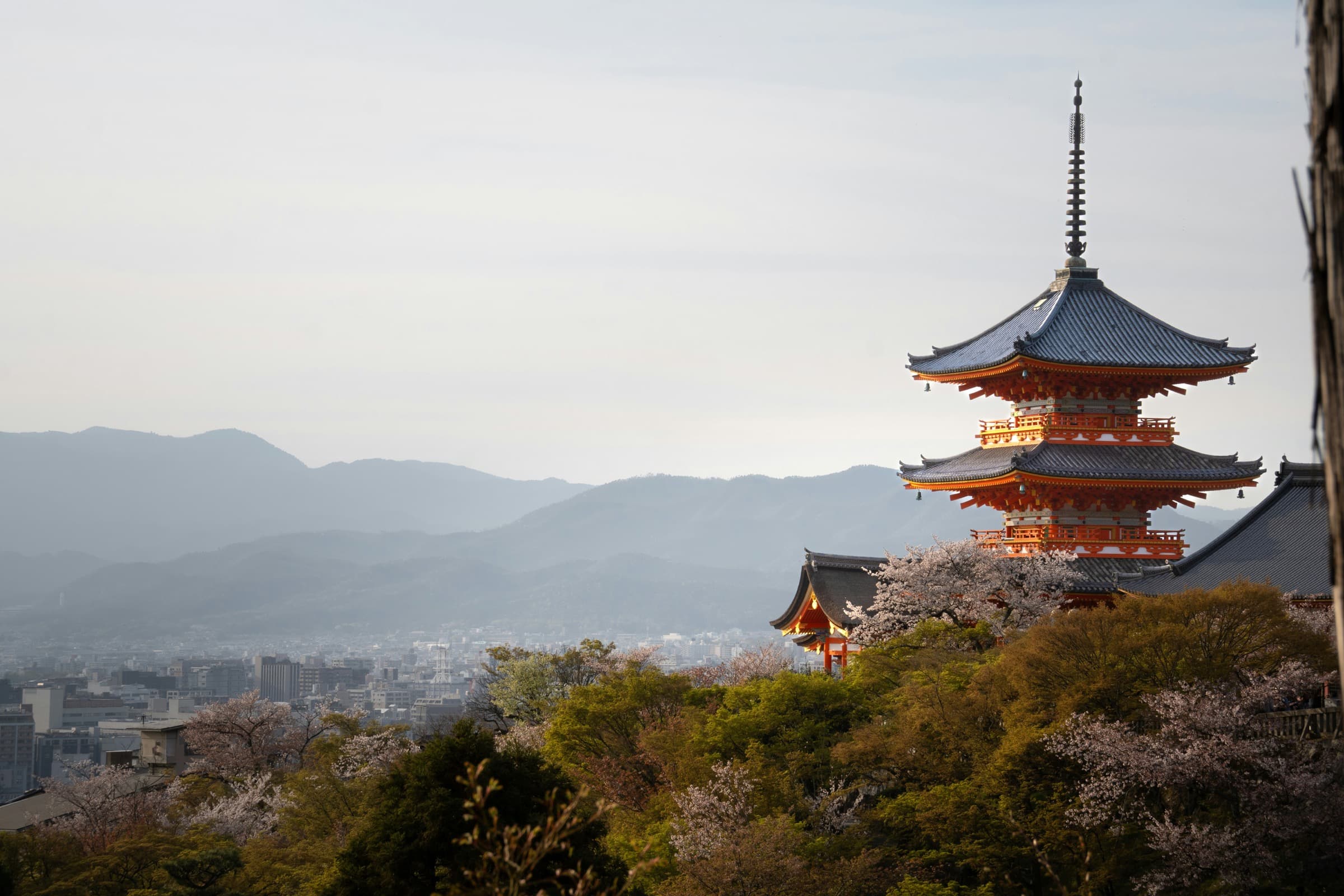
Japan’s Seven Stars in Kyushu is a cruise train: a small number of suites, journeys of two days and one night or four days and three nights around the island of Kyushu, with guests leaving the train for visits along the way and, on the longer journey, a night in a traditional ryokan. Japan’s bullet trains are a luxury of a different kind: Tokyo to Kyoto in about two hours and a quarter, often faster than flying.
In India, the Maharajas’ Express travels the north on journeys of four and seven nights: the shorter between Delhi, Agra, Ranthambore and Jaipur, the longer between Delhi and Mumbai by way of Rajasthan’s palace cities and the Ajanta caves.
South America: by observation train to Machu Picchu.
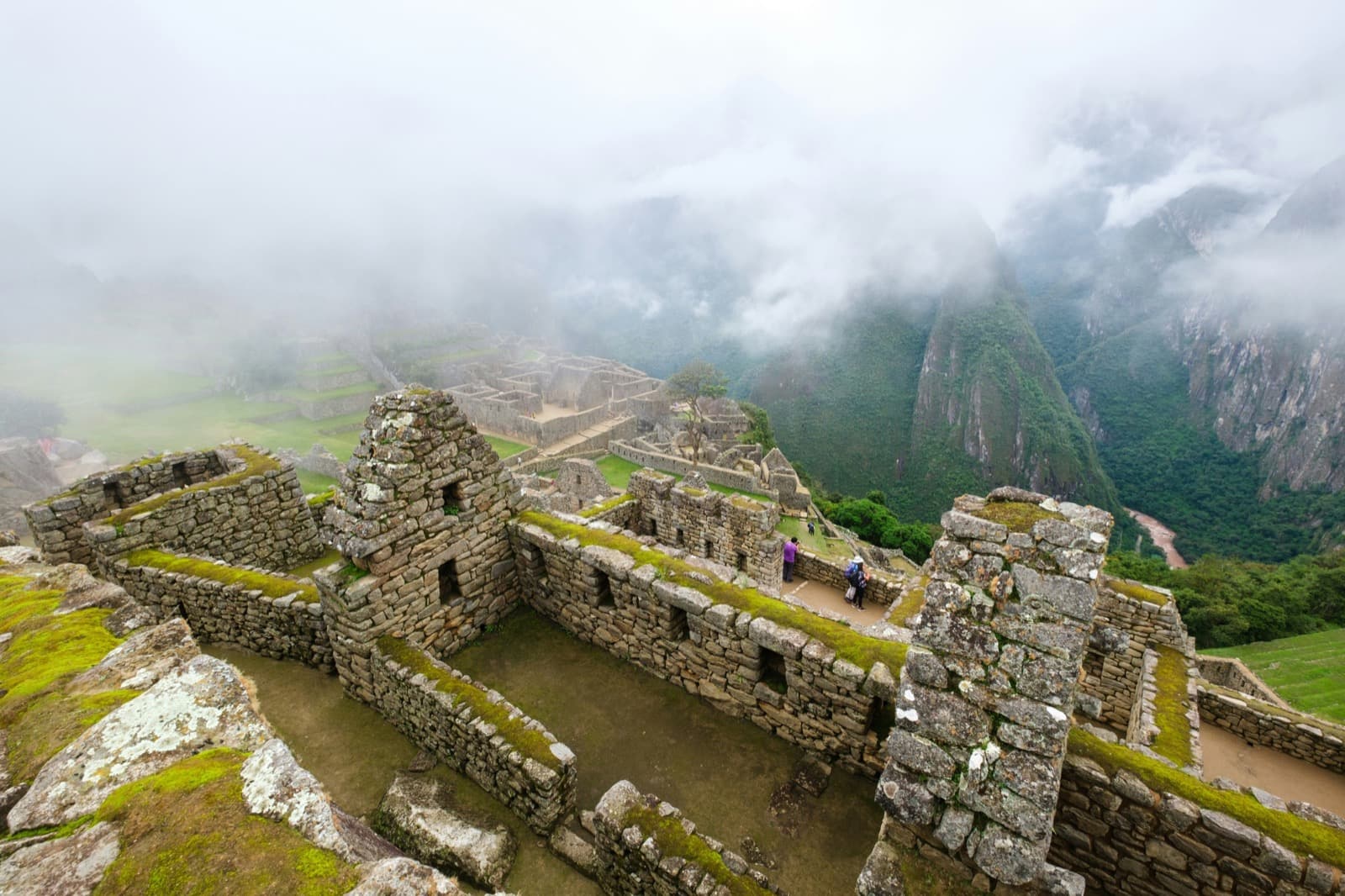
In Peru, a luxury observation train climbs from the Sacred Valley through the cloud forest to Machu Picchu, with glass-domed carriages, Andean cooking and live music on the way. It is part of a journey rather than the whole of one, joined to Cusco and the Sacred Valley.
Sleeper or daylight: choosing your kind of journey.
A sleeper suits travellers who want the train to be the whole experience: dinner as the landscape darkens, a night in your own cabin, and a new country or coast outside the window at breakfast. The cabins are compact by hotel standards, even the grandest, so the larger suites are worth asking for on a journey of more than one night.
A daylight train suits travellers who want to see everything and sleep in a proper room. Its guests leave the train each evening for a hotel, so the comfort of the night depends on the hotels chosen along the route, which is where an advisor’s knowledge of the region matters most.
For families, a daylight train or a single night is usually the better start. For a honeymoon or a celebration, a night on one of the classic sleepers is hard to equal.
Rail as part of a great trip.
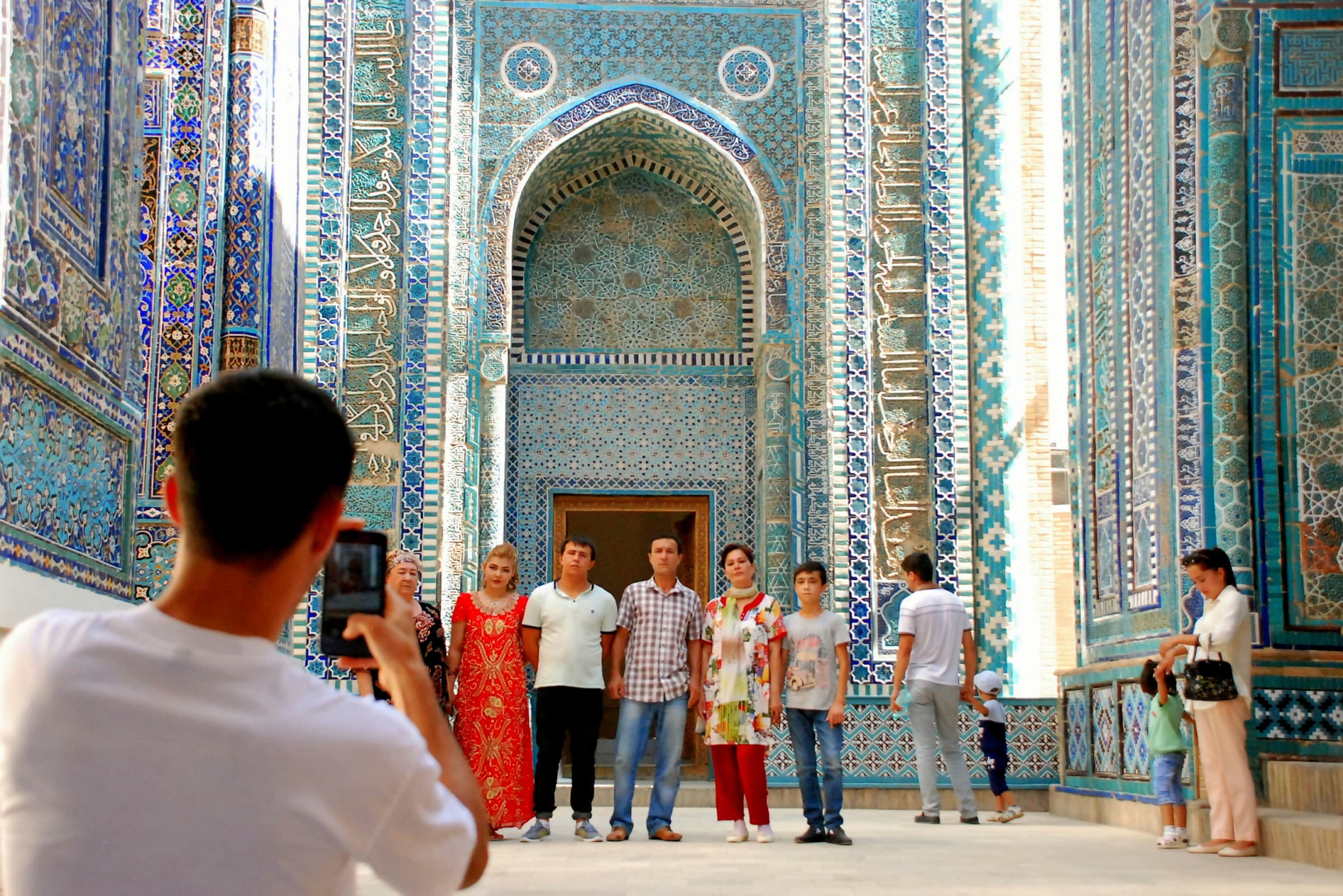
Not every memorable train is a grand tour. In many destinations, the train is simply the best way to travel between the places a journey is built around, and Ultra’s destination guides say so: Japan’s bullet trains between Tokyo and Kyoto, Switzerland’s first-class rail between the great resorts, high-speed rail between Rome and Florence, the Afrosiyob between Uzbekistan’s Silk Road cities, and Peru’s observation train to Machu Picchu.
An advisor fits these journeys into the itinerary with the same care as a flight: the right class and seats, luggage sent ahead where that is possible, and a car waiting at each station.
Planning a luxury train journey.
Choose the cabin as carefully as you would a hotel room: the larger suites on the famous trains are few, and they are reserved first. Check what the fare includes; on most luxury trains, meals and the excursions along the way are part of it. Some classic trains ask for formal or elegant evening dress, and some set a minimum age for children.
Seasons matter too: some routes run only part of the year, and the landscape on others changes completely between seasons. A train is usually one or two nights of a longer journey, so the hotels before and after, and the transfers to the station, deserve the same care as the train itself.
Why plan a train journey through an advisor.
An advisor knows which cabin on which train suits your party, when each route is at its best, and how to join the train to the rest of the journey. Some trains can be reserved in part or in whole for a group or a celebration, and an advisor arranges it. Asking Ultra for an advisor is free, with no obligation.
Your questions.
What is the most luxurious train in the world?
It depends on the journey you want. The Venice Simplon-Orient-Express, the Blue Train, Seven Stars in Kyushu and the Maharajas’ Express are among the most celebrated: each offers private cabins or suites, fine dining and personal service on a famous route.
What is the most beautiful train ride in the world?
Many travellers would name a Swiss Alpine line, such as the Glacier Express or the Bernina line, or the Rocky Mountaineer through the Canadian Rockies, both chosen for their scenery and run by day.
How much does a luxury train journey cost?
It depends on the train, the cabin, the length of the journey and the season. Fares on the great trains usually include meals on board, and often the excursions along the way. An advisor can tell you what is available for your dates.
What should I wear on a luxury train?
Daytime dress is usually smart and comfortable. Some classic trains ask for formal or elegant evening dress at dinner; your advisor will tell you each train’s code before you pack.
How far ahead should I book a luxury train journey?
As early as possible for the larger suites and the most popular dates, which are reserved first. Some routes run only part of the year.
Are luxury trains suitable for children?
Some are and some are not: a few of the classic trains set a minimum age, and others welcome families. A daylight train or a single night on board is usually the best introduction for children.
Is a sleeper train comfortable?
On the great trains, yes, though cabins are smaller than hotel rooms. The larger suites, with their own bathroom and more space to sit, are worth asking for on journeys of more than one night.
Are luxury trains good for a honeymoon or a celebration?
Very. A night on a great train makes a memorable part of a honeymoon or an anniversary, and some trains can be reserved in part or in whole for a larger celebration.
Tell us about the journey you would like to take.
Recommendations chosen for you, an itinerary crafted around them, and every booking managed by an independent Ultra Advisor.