
Where wellness is part of the place.
Europe

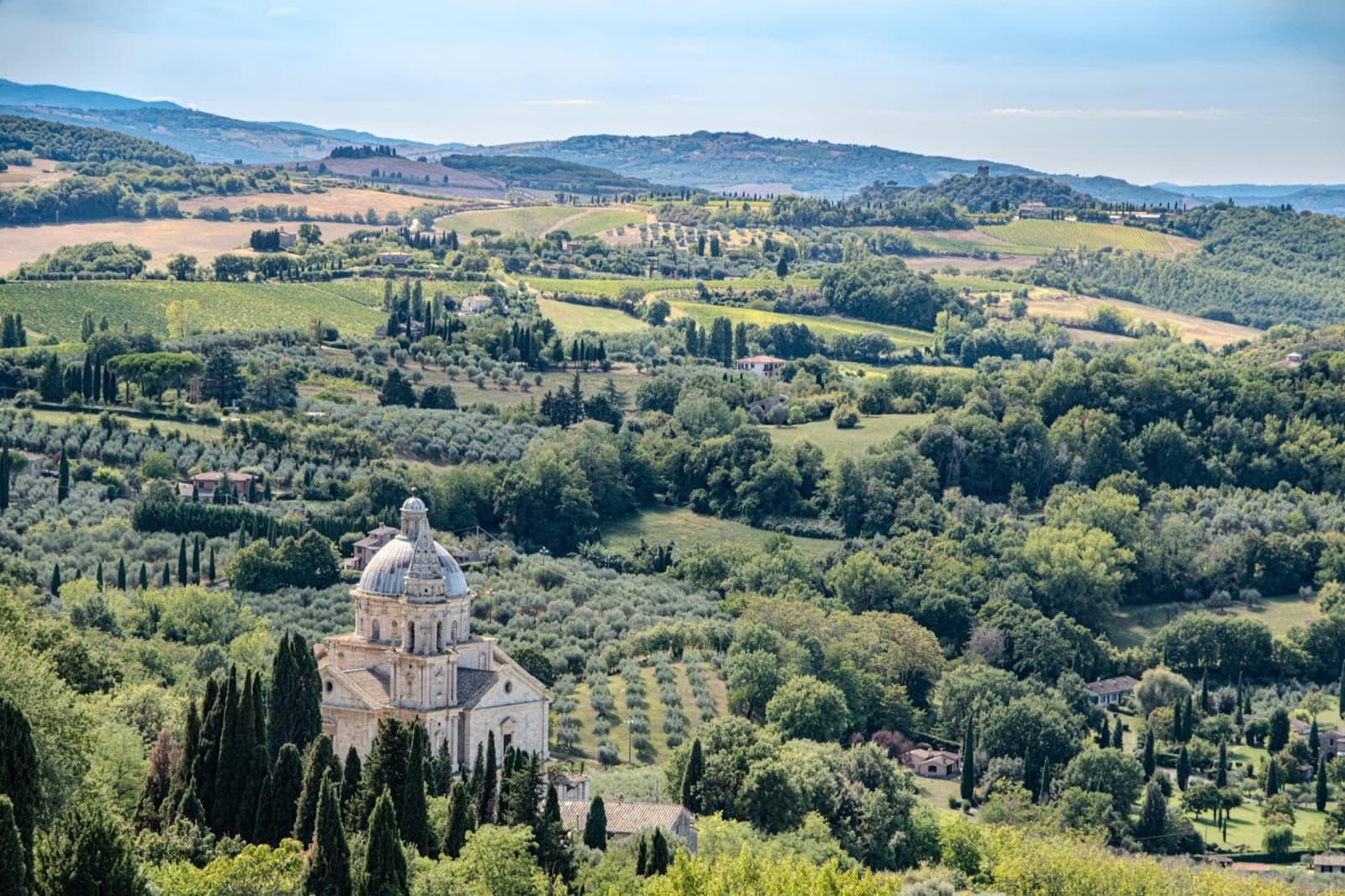




Africa and the Middle East


Asia
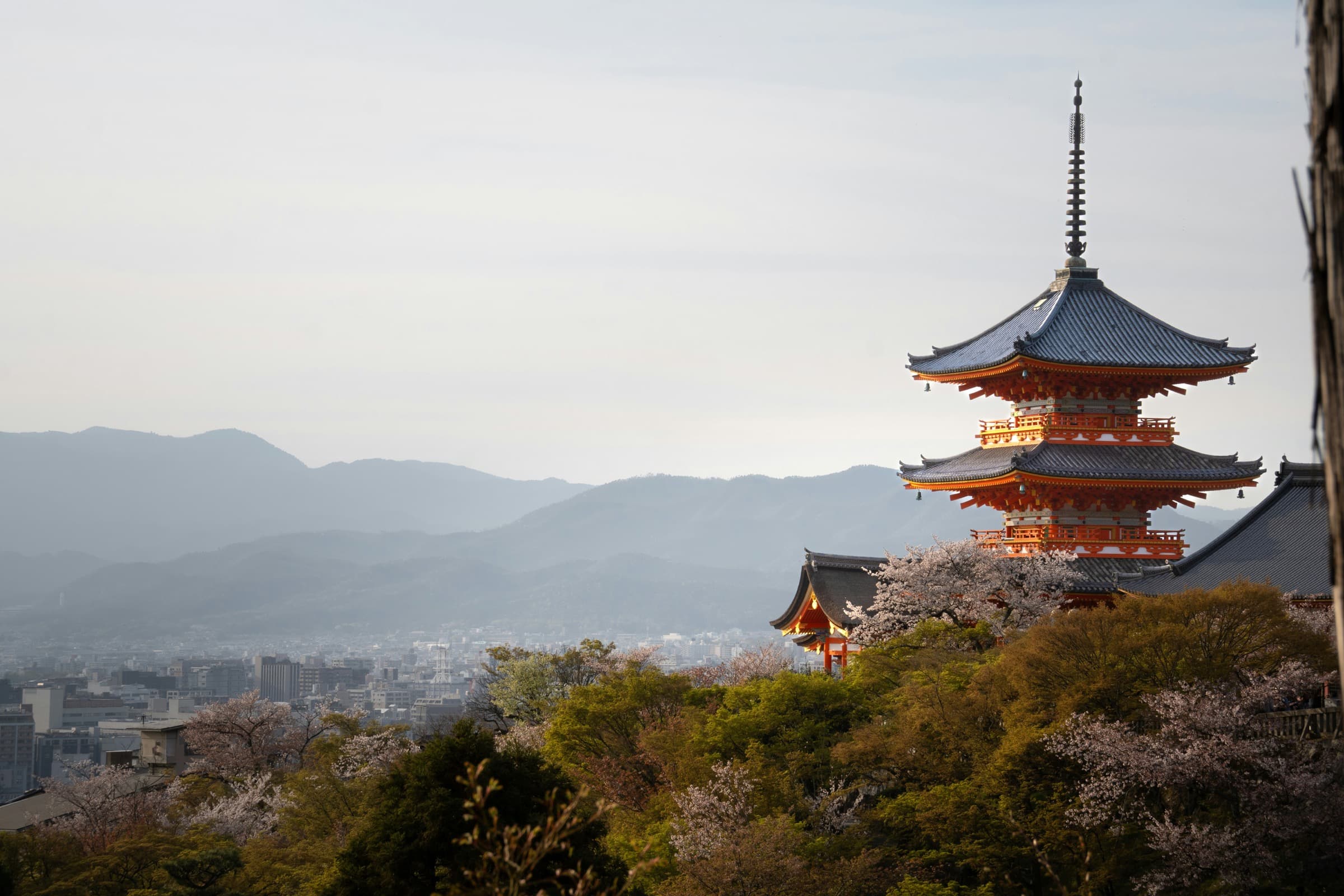
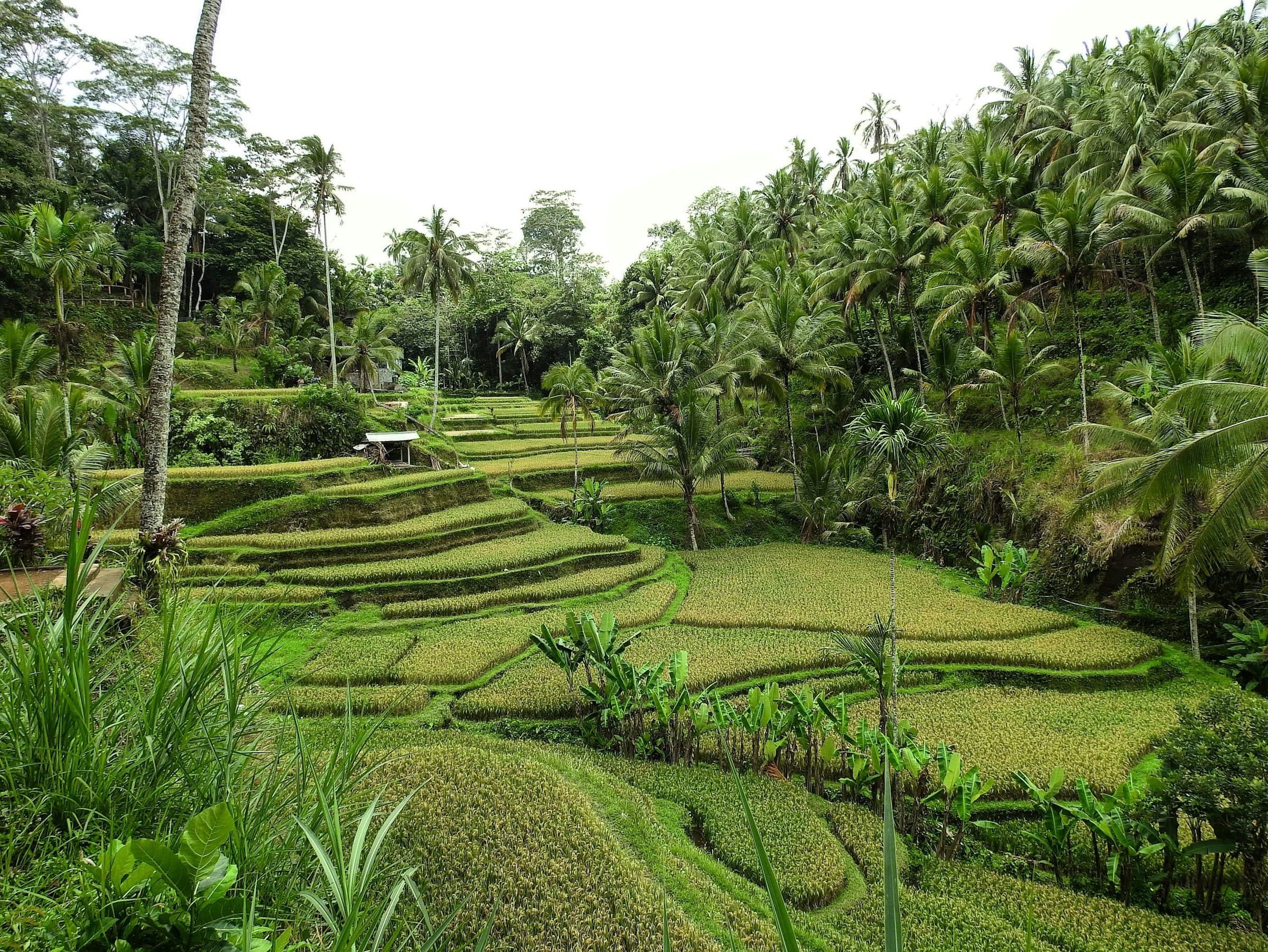

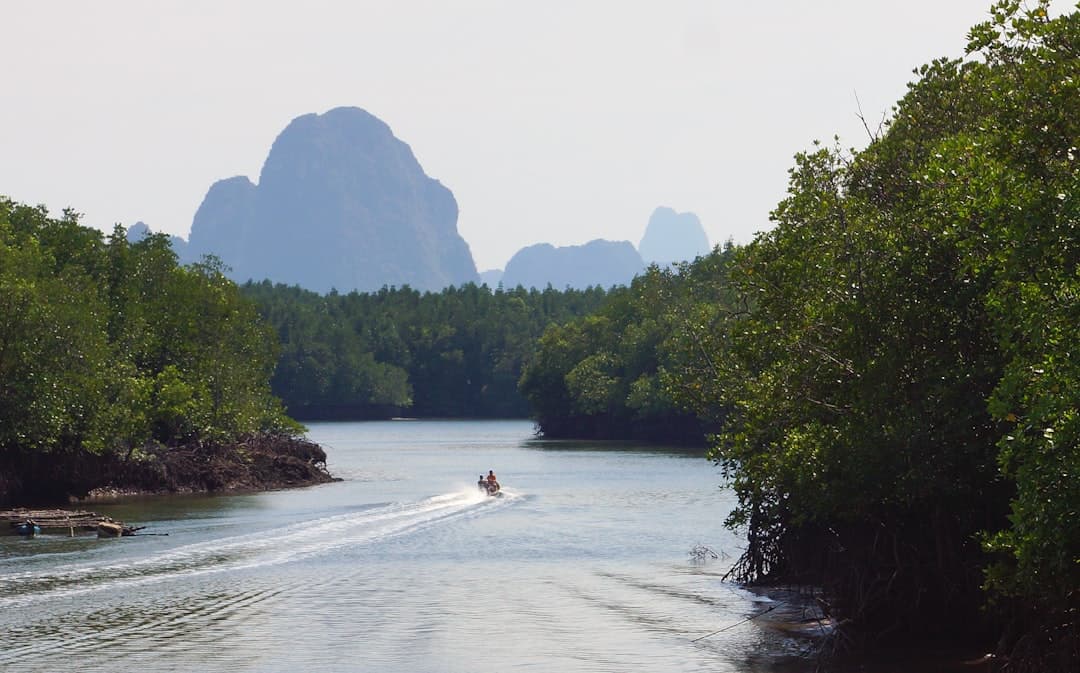
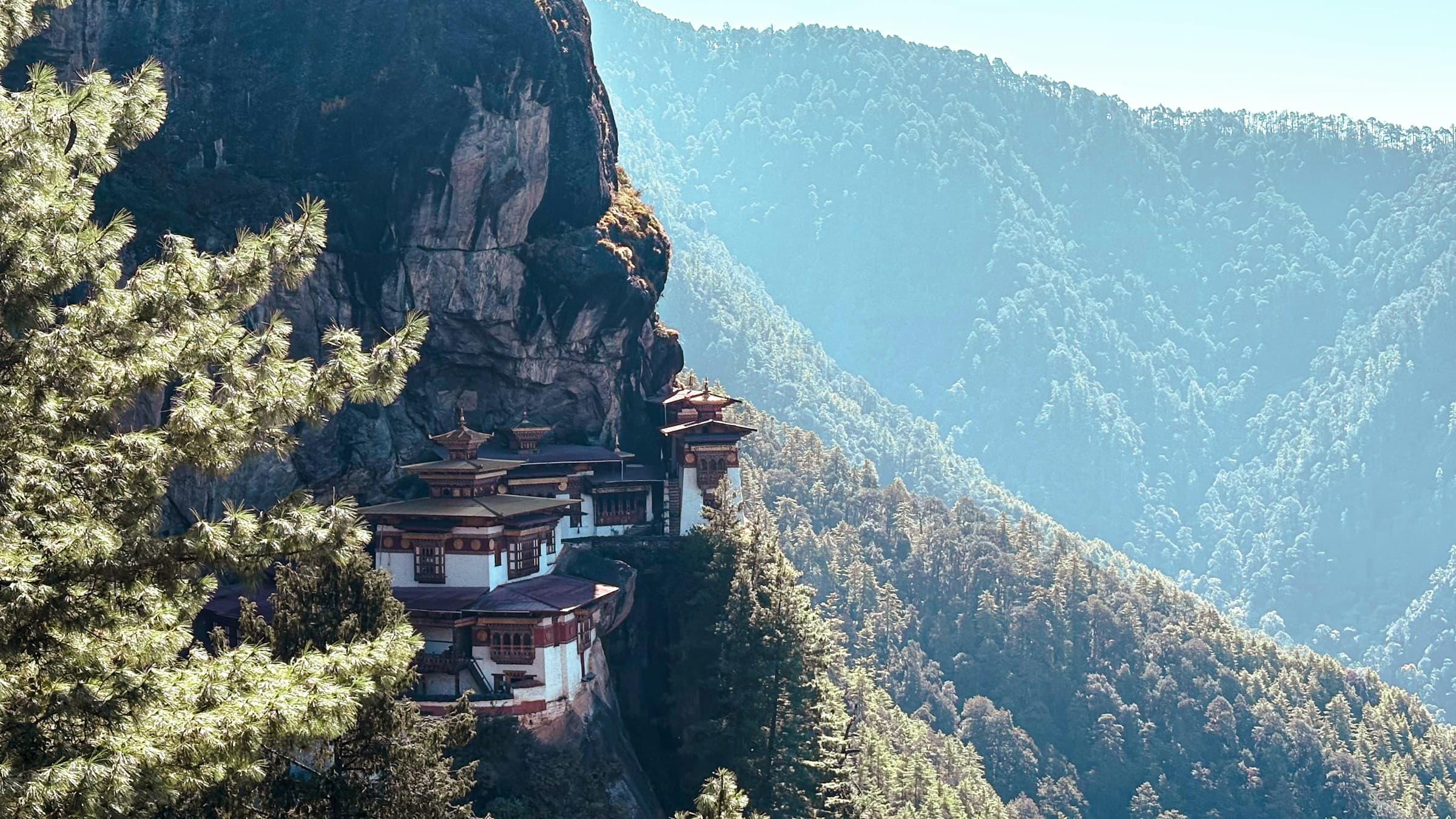
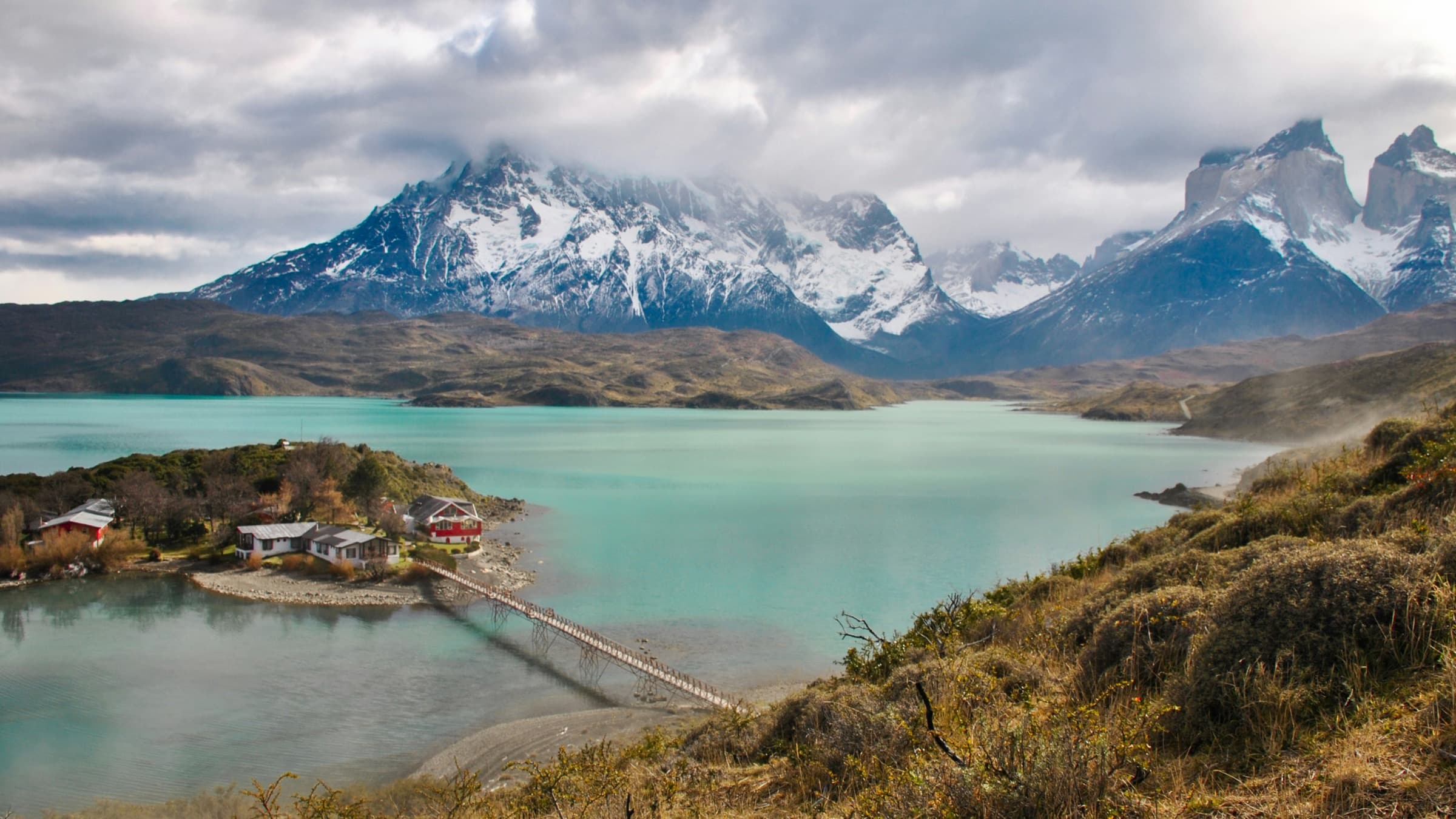
The Americas

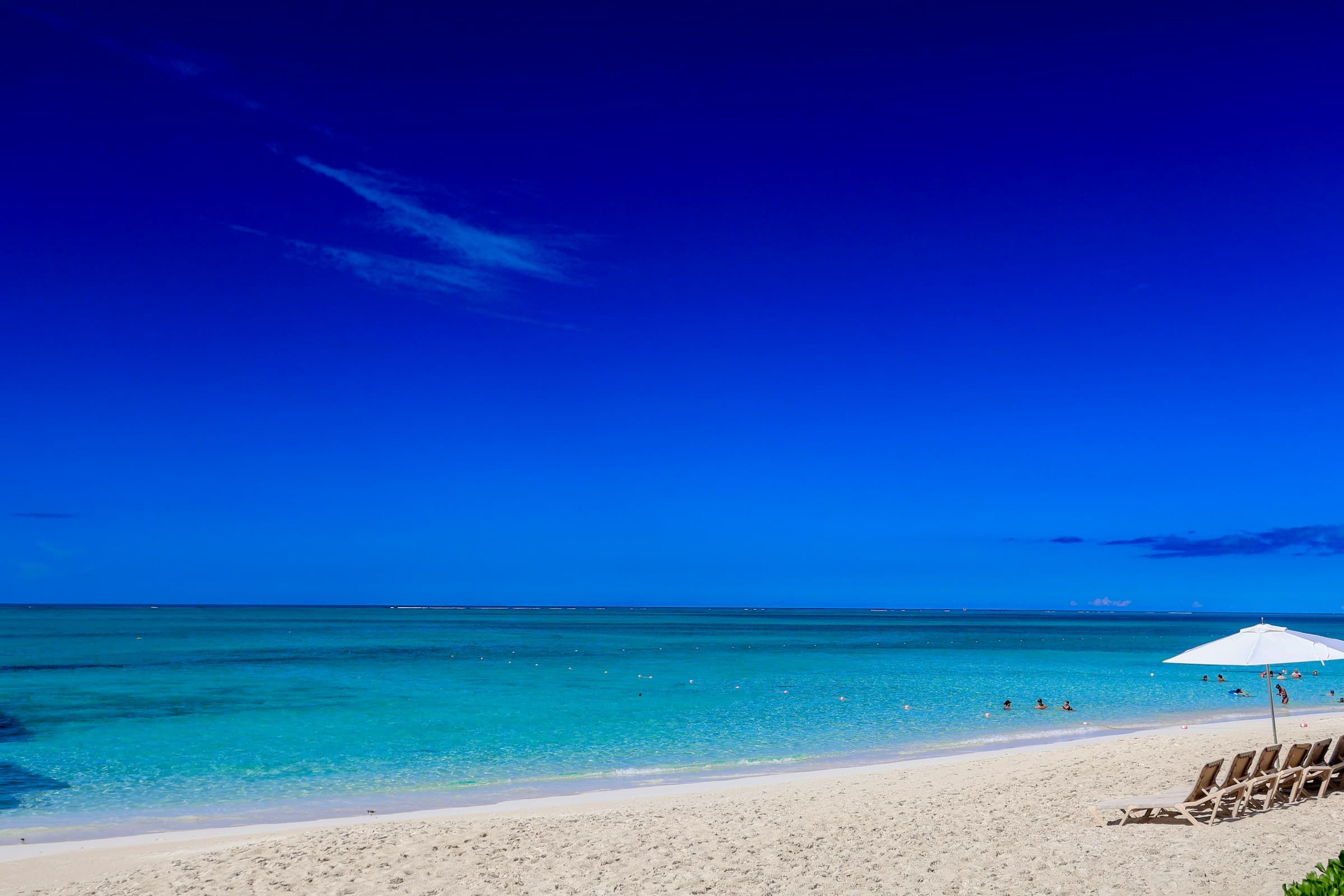
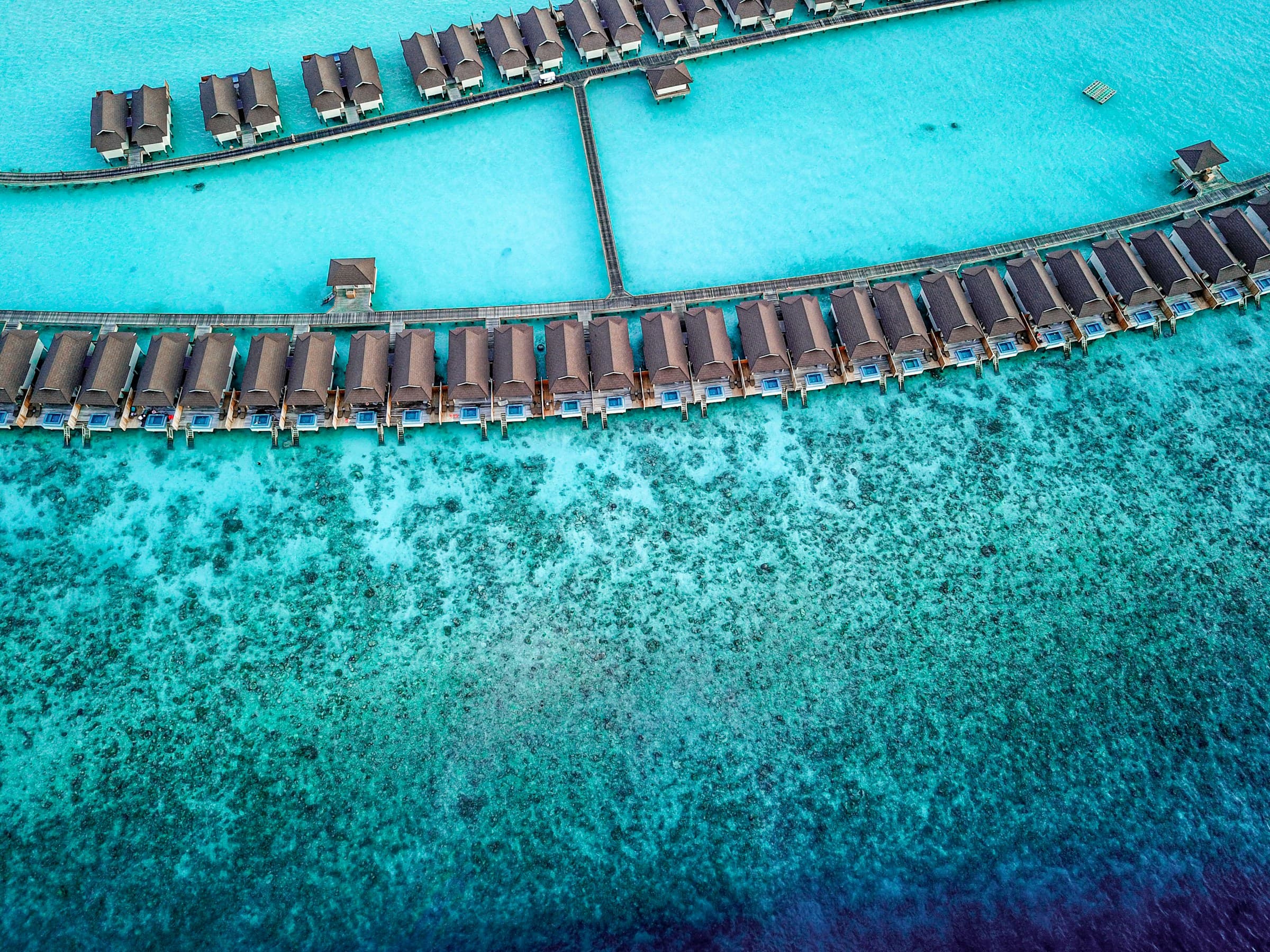
The Indian Ocean and the Pacific

What a luxury wellness retreat is.
A wellness retreat is built around a programme rather than a room. A spa hotel offers treatments you add to a stay; a retreat plans the whole day, from what you eat to how you move and when you rest, around an aim agreed at the start, often with a consultation on arrival and a plan to take home.
At the luxury end, the programme is personal: a small number of guests, practitioners who adjust each day to how you are responding, and the privacy to step away from everything else.
Choose by what you want from it.
Most retreats lean towards one of a few aims. Knowing yours narrows the choice quickly.
- Rest and restoration: sleep, massage, quiet and nature, with little on the schedule
- Fitness and performance: training, movement and recovery, often outdoors
- Nutrition and reset: a planned way of eating, with cooking and guidance to take home
- Mind and sleep: meditation, breathwork and sleep programmes
- Medical and longevity: programmes led by doctors, beginning with assessments and tests
- The traditions of a place: onsen, hammam, sauna, temazcal and thermal baths
Wellness traditions worth travelling for.
Some of the most restorative stays draw on traditions far older than the spa industry. Japan’s ryokan are built around onsen, mineral hot-spring baths, with seasonal cooking and rooms designed for quiet. Morocco’s hammam ritual of steam and scrubbing has been practised for centuries. Finland’s wood-fired sauna, followed by a plunge into a frozen lake, is recognised by UNESCO, and the sulphur baths beneath Tbilisi’s old town have drawn bathers since the fifth century.
In the Alps, thermal baths at Leukerbad and Vals run all year; in Mexico’s Yucatán, temazcal sweat-lodge ceremonies and cold plunges in cenotes join modern spa programmes; in Iceland, private geothermal pools can be reserved under the northern lights. Ultra’s destination guides describe each.
How long to stay.
A long weekend is enough to rest; real change in sleep, fitness or eating usually needs longer, and many programmes are designed to run for a week or more. Medical and longevity programmes set their own length around the assessments they include.
A retreat also combines well with a longer journey: a few days of wellness to arrive rested at the start, or to recover at the end, often in the same country.
What a retreat costs, and what is included.
Retreats price in two ways. An inclusive programme sets one price for the stay, meals, consultations and an agreed number of treatments or sessions; an à la carte stay prices the room and lets you add treatments as you go. Inclusive programmes are easier to compare on value, as long as you know exactly what each includes.
Ask how many treatments and sessions are included each day, whether medical tests are part of the price, which activities cost extra, and whether a companion who is not following the programme stays at a different rate.
Questions to ask before you choose.
Who leads the programme, and what are their qualifications? Is there a medical screening before you arrive, and a doctor on site? How many guests share the retreat, and how private are the treatment rooms and the dining? How flexible is the schedule if you want a day off it?
A programme is not a substitute for medical care. If you have a health condition or take medication, speak to your own doctor before booking, and tell the retreat.
Privacy, couples and travelling alone.
Wellness retreats are among the most natural places to travel alone, and many design their programmes for solo guests. Couples can follow different programmes and share the rest of the day. For a principal whose privacy matters, a retreat with few guests, private treatment suites and private dining, or exclusive use of a smaller property, keeps the stay entirely their own.
Why choose a retreat through an advisor.
Retreats describe themselves in similar words, and the difference between them is in the detail: the practitioners, the number of guests, the rooms and the way the day is run. An advisor knows the retreats first-hand or through local specialists, matches the programme to your aim, and books it with the journey around it.
Asking Ultra for an advisor is free, with no obligation.
Your questions.
What is a luxury wellness retreat?
A stay built around a personal wellness programme, rather than a hotel with a spa: meals, movement, treatments and rest planned around an aim agreed at the start, with few guests and practitioners who adjust each day.
What does a luxury wellness retreat cost?
It depends on the retreat, the room, the length of stay and whether the programme is inclusive. Inclusive programmes set one price for the stay, meals and an agreed number of sessions; others price the room and add treatments. Compare what each includes.
How long should a wellness retreat be?
A long weekend to rest; a week or more for change in sleep, fitness or eating. Medical programmes set their own length around their assessments.
Can I go to a wellness retreat alone?
Yes. Many retreats design their programmes for solo guests, and travelling alone is common.
Can a couple follow different programmes?
Usually, yes. Many retreats let each guest follow their own programme and share meals, rooms and free time.
Is a wellness retreat suitable if I have a medical condition?
Speak to your own doctor first and tell the retreat before you book. A wellness programme is not a substitute for medical care; some retreats have doctors on site and screen guests before arrival.
Tell us what you would like to come home with.
Recommendations chosen for you, an itinerary crafted around them, and every booking managed by an independent Ultra Advisor.