
Where to charter a yacht, and when.
Europe
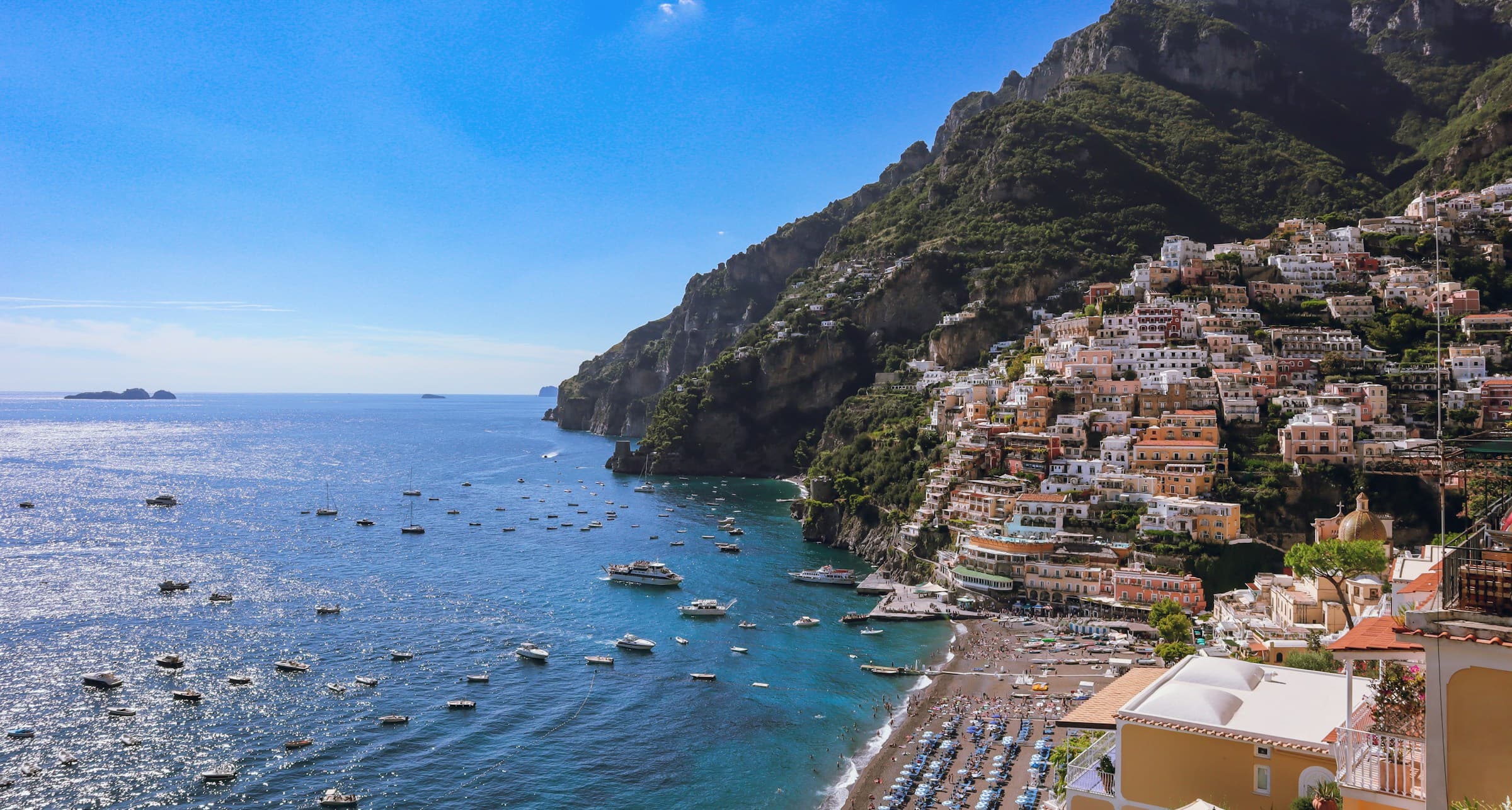


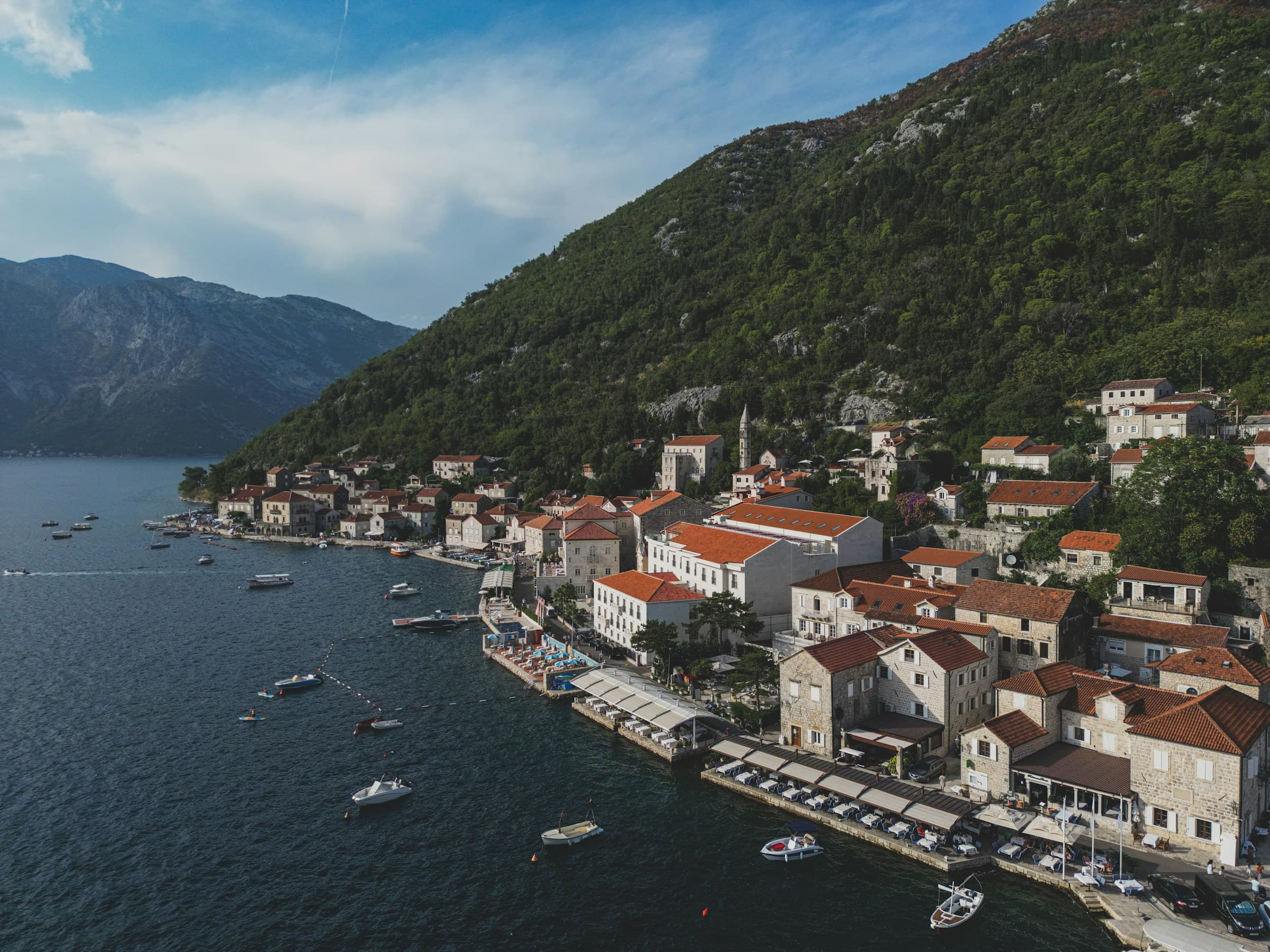
The Americas
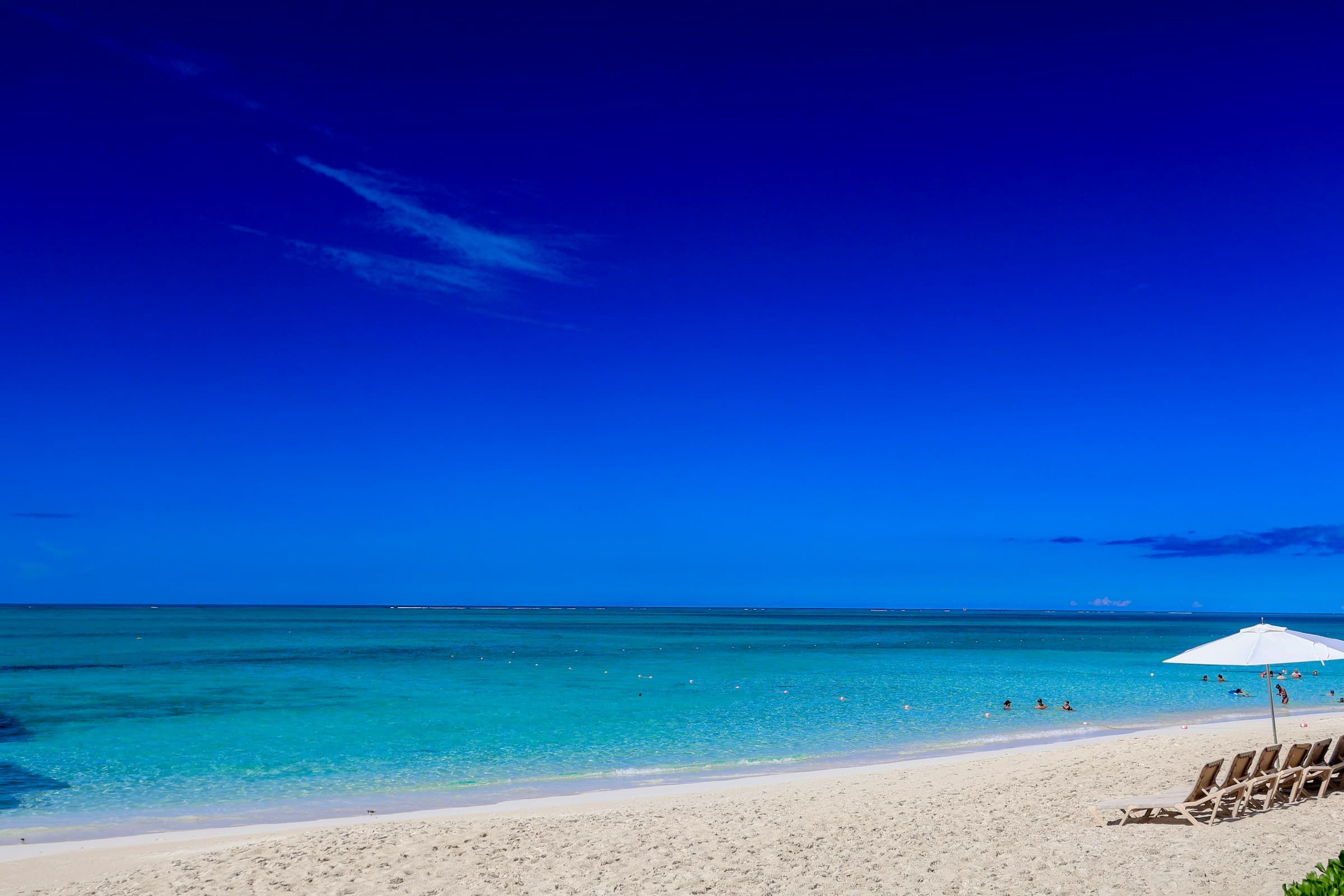
The Indian Ocean and the Pacific


How a crewed yacht charter works.
You charter the whole yacht with its crew: a captain responsible for the vessel and the route, a chef, and stewards and deckhands who look after the guests, the water toys and the tender. Most charters run for a week, beginning and ending at a marina, and the captain shapes the route each day around the weather, the sea and what you want to do.
The charter is agreed in a contract that sets out the dates, the cruising area, where you join and leave the yacht, and what the price includes. Reading that contract well, and knowing what is normal in each region, is a large part of what an experienced advisor or charter specialist does for you.
Motor yacht, sailing yacht or catamaran?
The yacht sets the character of the week as much as the destination does.
- Motor yachts cover distance quickly and offer the most space inside and on deck: the classic choice for the Riviera and the Amalfi Coast
- Sailing yachts trade speed for the pleasure of sailing, quieter and closer to the sea
- Catamarans are stable and broad, with shallow draught for reef anchorages: well suited to families and the Caribbean
- Explorer yachts carry fuel, tenders and equipment for remote waters, far from any marina
What does a luxury yacht charter cost?
The weekly charter fee is set by the yacht’s size, age, quality and crew, and by the week you choose: peak summer weeks in the Mediterranean and the festive weeks in the Caribbean are the most in demand. On top of the fee come running costs, which many charters, especially in the Mediterranean, pay in advance as a provisioning allowance: fuel, food and drink, marina and port fees, and communications. The captain accounts for it during the week, and any balance is returned or settled at the end.
Taxes on charter differ by country and sometimes by where the yacht cruises, a delivery fee may apply if the yacht has to travel to meet you, and a gratuity for the crew is customary at the end of the week. Ask what a quote includes before comparing two yachts; the lower fee is not always the lower total.
Planning the itinerary.
The best charter weeks are unhurried. A plan that tries to cover too many miles spends the days under way; a good one keeps passages short, leaves mornings at anchor for swimming and the water toys, and times arrivals in port for lunch ashore or an evening in town. The captain adjusts the route to the wind and the sea, so a little flexibility gives the best of each day.
Some weeks are built around an event, from the film festival in Cannes to the festive season in Gustavia harbour, when berths and the yachts best suited to them are reserved well ahead. Others are about the islands themselves: the Aegean, where a yacht changes scenery every morning, or the Bay of Kotor in Montenegro.
Charters for families, groups and celebrations.
A yacht suits a family across generations particularly well: each has a cabin, the crew can run separate days for children and adults, and the yacht goes where the family wants to be. For a celebration, a yacht can host a dinner at anchor, or two yachts can sail together for a larger party.
Privacy comes with the format. Guests are known only to the crew, the yacht keeps its distance from crowded anchorages, and the tender takes you ashore when you choose.
Choosing the right yacht and crew.
Two yachts of the same size can be very different weeks. The crew matters most: a chef whose cooking you will enjoy for seven days, a captain who knows the cruising ground, and stewards who read their guests. Ask about the crew’s time together on the yacht, the toys and tenders aboard, the cabins’ layout for your party, and how recently the yacht was refitted.
An advisor shortlists yachts and crews for your week, checks what each contract includes, and joins the charter to the rest of the journey: the flight in, a villa or hotel before or after, and the transfer to the marina.
Why charter through an advisor.
Charter is a specialised market with its own contracts, taxes and customs, and the same yacht can be offered by several people at once. An advisor works with charter specialists who know the yachts and the crews personally, and with the local specialists who arrange what happens ashore.
They also stay with you through the week: if the weather changes the plan, or you want an extra day, there is one person to ask. Asking Ultra for an advisor is free, with no obligation.
Your questions.
How much does a luxury yacht charter cost?
It depends on the yacht, its crew and the week. A weekly charter fee is paid first, then running costs such as fuel, food, drink and port fees, often in advance as an allowance accounted for during the week, plus taxes and a crew gratuity. An advisor can compare quotes on what each includes.
Is food included in a yacht charter?
It depends on the contract. Many charters, especially in the Mediterranean, add food, drink and fuel on top of the fee through a provisioning allowance; some charters, more often in the Caribbean, include more in the price. Ask before comparing yachts.
How many people can stay on a charter yacht?
It depends on the yacht’s cabins. Most charter yachts carry no more than twelve guests overnight, a limit set by the rules for commercial yachts; more people can join for a day, and larger groups can charter two yachts together.
Do I need sailing experience to charter a yacht?
No. A crewed charter comes with a captain and crew who sail and run the yacht; guests simply enjoy it.
When is the best time to charter a yacht?
In the Mediterranean, late spring to early autumn, with June and September quieter than high summer. In the Caribbean, the winter months. The Indian Ocean and South Pacific have their own dry seasons.
How far ahead should I book a yacht charter?
For peak summer weeks, festival weeks and the festive season, as early as possible: the most sought-after yachts and crews are reserved first. Outside those weeks, shorter notice is often possible.
Tell us about the week at sea you have in mind.
Recommendations chosen for you, an itinerary crafted around them, and every booking managed by an independent Ultra Advisor.